Love this? Save it for later!
Share the inspiration with your friends
“I never thought gluten-free pizza dough could actually be crispy and stretchy until that rainy Thursday afternoon last fall,” I remember saying to myself as I juggled a cracked bowl and a wild mix of flours in my tiny kitchen. Honestly, I was skeptical—gluten-free dough often felt like a sad, crumbly cousin of the real thing. But that day, with my kitchen timer ticking and a half-burnt batch of dough on the counter, I stumbled onto a method that changed everything.
The idea came from a casual chat with my neighbor, Marco, who’s a pizza fanatic but avoids gluten for health reasons. He shared a little secret about hydration and resting times that I’d never heard before. I took his advice, tweaked my usual recipe, and what came out of the oven was nothing short of a miracle: a crust that had the perfect crisp on the outside and a chewy, stretchy inside that pulled apart just like traditional pizza dough.
You know that feeling when you bite into something and your brain just does a quick happy dance? That’s what happened. Maybe you’ve been there, chasing gluten-free recipes that promise the moon but deliver a dud. This crispy stretchy gluten-free pizza dough recipe is the one that stuck with me — it’s easy, reliable, and honestly, a little addictive. I still get excited making it, especially on those busy weeknights when you want pizza without the fuss or the gluten.
Why You’ll Love This Recipe
After countless trials and a few messy kitchen moments, this recipe has become my go-to for homemade gluten-free pizza. Here’s why you’ll love making it as much as I do:
- Quick & Easy: Comes together in just three simple steps and needs under 30 minutes total prep time — perfect for busy nights or unexpected guests.
- Simple Ingredients: No fancy or hard-to-find items. Most are pantry staples, and the rest you can grab at any grocery store.
- Perfect for Any Occasion: Whether it’s a casual Friday night or a weekend pizza party, this dough delivers every time.
- Crowd-Pleaser: Even my gluten-loving friends can’t believe it’s gluten-free — that’s how good the texture and flavor are!
- Unbelievably Delicious: The crust’s crisp outside and stretchy inside make every bite a satisfying experience, just like traditional pizza.
What sets this crispy stretchy gluten-free pizza dough recipe apart is the careful balance of hydration and rest time, plus a blend of flours that create a dough with real elasticity — something that’s rare in gluten-free baking. I also like to add a small trick: a splash of apple cider vinegar helps with the texture and flavor complexity, which you won’t find in most recipes out there.
This isn’t just a gluten-free dough; it’s a recipe that makes you forget you’re missing gluten altogether. It’s the kind of comfort food that fills your kitchen with warm memories and gets everyone asking for seconds.
What Ingredients You Will Need
This recipe uses simple, wholesome ingredients to deliver bold flavor and satisfying texture without the fuss. Most ingredients are pantry staples, making it incredibly accessible. Here’s what you’ll need:
- Gluten-free all-purpose flour blend (2 ½ cups / 300 g) — I recommend a blend with xanthan gum included, like Bob’s Red Mill GF Blend, for best results.
- Warm water (1 cup / 240 ml) — around 110°F / 43°C; this helps activate the yeast.
- Active dry yeast (2 ¼ tsp / 7 g) — the magic behind the rise and stretch.
- Sugar (1 tbsp / 12 g) — feeds the yeast and adds a touch of sweetness.
- Olive oil (2 tbsp / 30 ml) — adds richness and improves dough elasticity.
- Apple cider vinegar (1 tsp / 5 ml) — a secret ingredient to boost texture and flavor.
- Salt (1 tsp / 6 g) — balances flavor.
- Optional: Cornstarch or potato starch (2 tbsp / 16 g) — helps with crispiness if your flour blend doesn’t include starches.
If you want to customize, you can swap the olive oil with avocado oil, and for a dairy-free option, this recipe is naturally friendly since it contains no dairy. For seasonal spins, adding a teaspoon of dried herbs to the dough can be a nice touch.
Equipment Needed
- Mixing bowl: A medium to large bowl for combining ingredients. I prefer glass or stainless steel for easy cleanup.
- Whisk or fork: To activate the yeast and mix wet ingredients.
- Wooden spoon or silicone spatula: For folding in the flour without overworking.
- Measuring cups and spoons: Accuracy is key, especially for yeast and flour.
- Kitchen scale (optional but recommended): For precise flour measurement, which helps consistency.
- Pizza stone or baking sheet: A pizza stone gives the crispiest crust, but a heavy baking sheet works well too.
- Plastic wrap or kitchen towel: For covering the dough during the rest period.
If you don’t have a pizza stone, preheat your baking sheet in the oven to mimic the effect. I’ve tested this dough on both, and while the stone edges out the crispiness, the sheet is a solid budget-friendly option. Just be sure to preheat it well so the dough starts cooking immediately upon contact.
Preparation Method
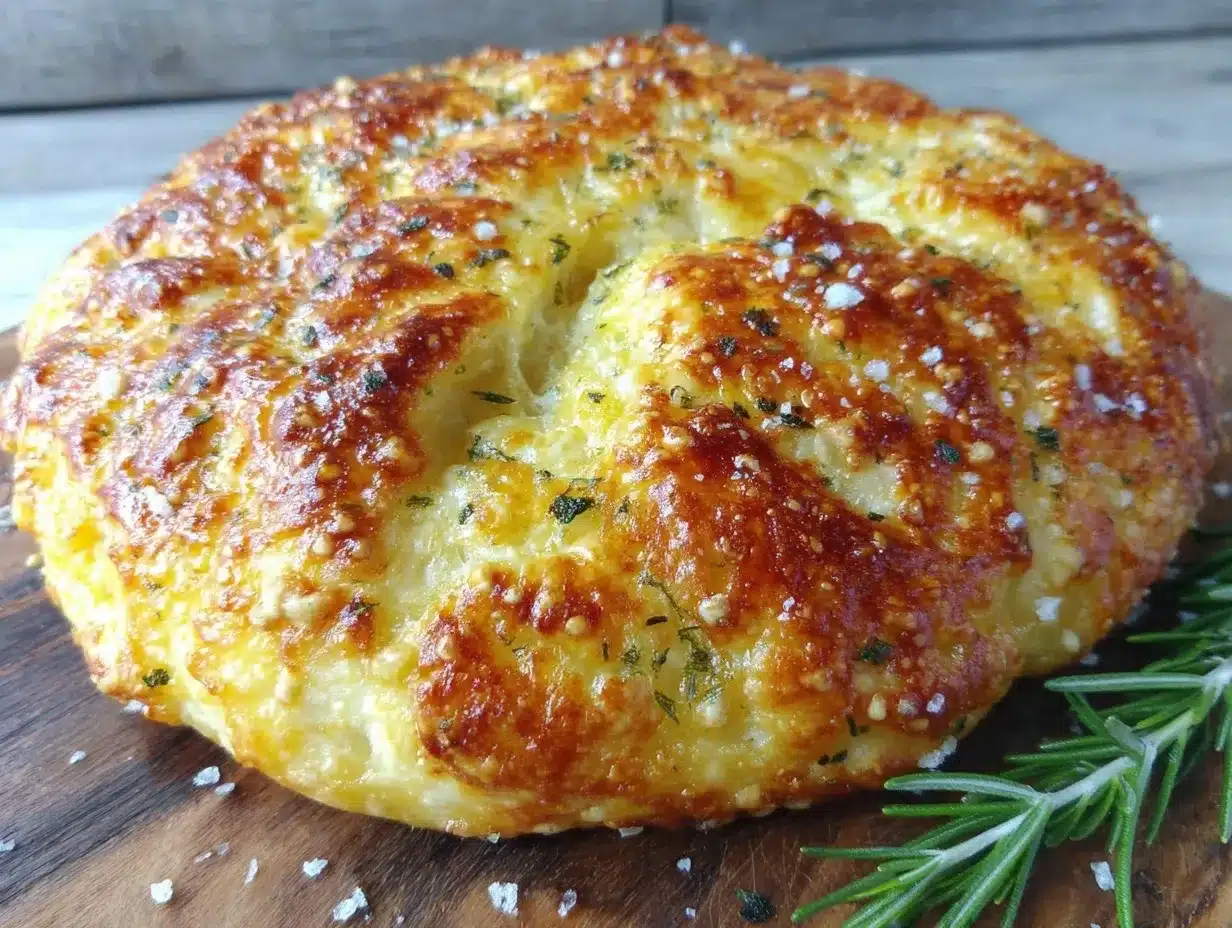
- Activate the yeast (5-7 minutes): In your mixing bowl, combine the warm water (110°F / 43°C), sugar, and active dry yeast. Stir gently with a whisk or fork. Let it sit for about 5-7 minutes until it becomes frothy and bubbly. If it doesn’t froth, your yeast might be expired or the water too hot/cold—try again with fresh yeast.
- Mix the dough (5 minutes): Add the olive oil, apple cider vinegar, and salt to the yeast mixture. Slowly stir in the gluten-free flour blend and optional starch, one cup at a time, mixing with a wooden spoon or spatula until a sticky dough forms. The dough will be wetter than traditional dough but resist the urge to add more flour — this moisture is key to stretchiness.
- Rest the dough (20 minutes): Cover the bowl with plastic wrap or a damp kitchen towel. Let it rest at room temperature for 20 minutes. This rest hydrates the flours and helps the dough firm up a bit for easier handling, plus it encourages that lovely chewiness in the crust.
- Shape the dough: Lightly oil your hands and a clean work surface. Gently pull and stretch the dough into your desired pizza shape—about 10-12 inches (25-30 cm) diameter works well. If it’s sticky, dip your hands in water or oil to make shaping easier.
- Preheat the oven: Set your oven to 475°F (245°C) and place your pizza stone or baking sheet inside to heat up for 30 minutes before baking.
- Bake the crust (8-10 minutes): Transfer the shaped dough to a piece of parchment paper and slide the parchment onto the hot stone or baking sheet. Bake for 8-10 minutes until the crust starts to turn golden and crisp edges appear.
- Add toppings and finish baking (7-10 minutes): Remove the partially baked crust, add your favorite toppings, and return to the oven. Bake for another 7-10 minutes until the cheese is bubbly and the crust is deeply golden and crispy.
Pro tip: If you notice the dough is too sticky to handle, refrigerate it for 10 minutes before shaping. Also, don’t skip preheating the stone or sheet — that initial heat blast is the secret to crispiness.
Cooking Tips & Techniques
To get that perfect balance of crisp and stretch, here are some tips I’ve gathered over time:
- Hydration is key: Gluten-free dough tends to be sticky. Trust the recipe’s moisture levels; too much flour means a dry, crumbly crust.
- Don’t over-knead: Unlike traditional dough, gluten-free dough needs minimal mixing once combined. Overworking can make it dense.
- Use a pizza stone or well-preheated baking sheet: The hot surface crisps the bottom quickly, preventing sogginess.
- Rest the dough: Giving the dough a short rest hydrates the flours and improves elasticity, which you might miss if you skip this step.
- Handling sticky dough: Keep your hands lightly oiled or wet to make shaping easier without adding extra flour.
- Watch your oven temperature: High heat is a must for crisp crust but be mindful of your oven’s quirks. If the crust browns too fast, lower the temp slightly.
I’ve had my share of dough disasters — from flat crackers to gummy blobs — but following these tips saved me every time. Also, multitasking helps: while the dough rests, prep your toppings to make the process smoother.
Variations & Adaptations
- Herb-infused dough: Add 1 tsp dried oregano or rosemary into the flour mix for a fragrant twist.
- Cauliflower crust version: Replace half the flour with finely processed cauliflower for a veggie-rich option (reduce water slightly).
- Whole grain gluten-free: Use brown rice flour or sorghum flour blends instead of all-purpose for nuttier flavor and added fiber.
- Vegan adaptation: This recipe is naturally vegan, but be sure your toppings are plant-based.
- Cooking method adaptation: Try grilling your shaped dough on a preheated grill for a smoky flavor and crisp texture.
Personally, I once swapped in a bit of chia flour to boost nutrition, and it added a subtle earthiness I enjoyed. Feel free to experiment with your favorite gluten-free blends and find what hits your taste buds just right.
Serving & Storage Suggestions
This gluten-free pizza dough is best served fresh and hot, right out of the oven. The crust’s crispness shines when eaten immediately, but if you have leftovers, here’s how to keep them tasty:
- Storage: Wrap leftover pizza tightly in plastic wrap or store in an airtight container in the refrigerator for up to 3 days.
- Freezing: You can freeze baked pizza slices for up to 2 months. Reheat from frozen in a toaster oven or conventional oven to restore crispness.
- Reheating tips: Avoid microwaving as it makes the crust soggy. Instead, heat in a preheated oven at 375°F (190°C) for 8-10 minutes.
- Serving suggestions: Pair your pizza with a fresh arugula salad dressed with lemon vinaigrette or a light sparkling drink to balance the rich, crispy crust.
Flavors tend to meld better after resting overnight, so if you prep your pizza the day before, you might find the toppings even more delicious. Just remember to reheat properly to keep that signature crust texture.
Nutritional Information & Benefits
Here’s a rough estimate per serving (1/6th of the pizza):
| Calories | Carbs | Protein | Fat | Fiber |
|---|---|---|---|---|
| 220 kcal | 38 g | 5 g | 6 g | 3 g |
Key health benefits come from using gluten-free flours that are often easier to digest for those sensitive to gluten. Olive oil adds heart-healthy fats, and apple cider vinegar can aid digestion. This pizza dough is naturally free from dairy, soy, and nuts, making it suitable for many dietary needs.
From a wellness perspective, having a reliable gluten-free dough that satisfies cravings without compromising on texture means fewer compromises and more joy in eating. I find it’s a great way to enjoy pizza nights while staying mindful of dietary restrictions.
Conclusion
Making a crispy stretchy gluten-free pizza dough at home is not just possible — it’s downright enjoyable. This recipe offers a straightforward path to pizza that’s both delicious and allergy-friendly, without those frustrating texture trade-offs many gluten-free recipes have.
Feel free to tweak the flours, add your favorite herbs, or try different cooking methods to make it truly your own. I keep coming back to this recipe because it fills my kitchen with warmth and my family with smiles — and honestly, isn’t that what cooking is all about?
If you try this recipe, I’d love to hear how it goes! Leave a comment below sharing your favorite toppings or any twists you gave it. Happy pizza making!
FAQs
Can I use a different gluten-free flour blend?
Yes! Just make sure it contains xanthan gum or a similar binder for elasticity. If not, add about 1 tsp xanthan gum separately.
Why is my gluten-free pizza dough sticky?
Gluten-free doughs are naturally wetter than wheat dough. Use oiled or wet hands to shape it instead of adding more flour, which can make the crust dry.
Can I prepare the dough ahead of time?
Absolutely. You can prepare it and refrigerate for up to 24 hours. Just bring it to room temperature before shaping and baking.
How do I get a crispier crust?
Preheat your pizza stone or baking sheet thoroughly, and bake at a high temperature (475°F / 245°C). Adding a little cornstarch or potato starch can also help.
Is this recipe suitable for vegan diets?
Yes, the dough itself is vegan. Just choose vegan toppings to keep the whole pizza plant-based.
Pin This Recipe!
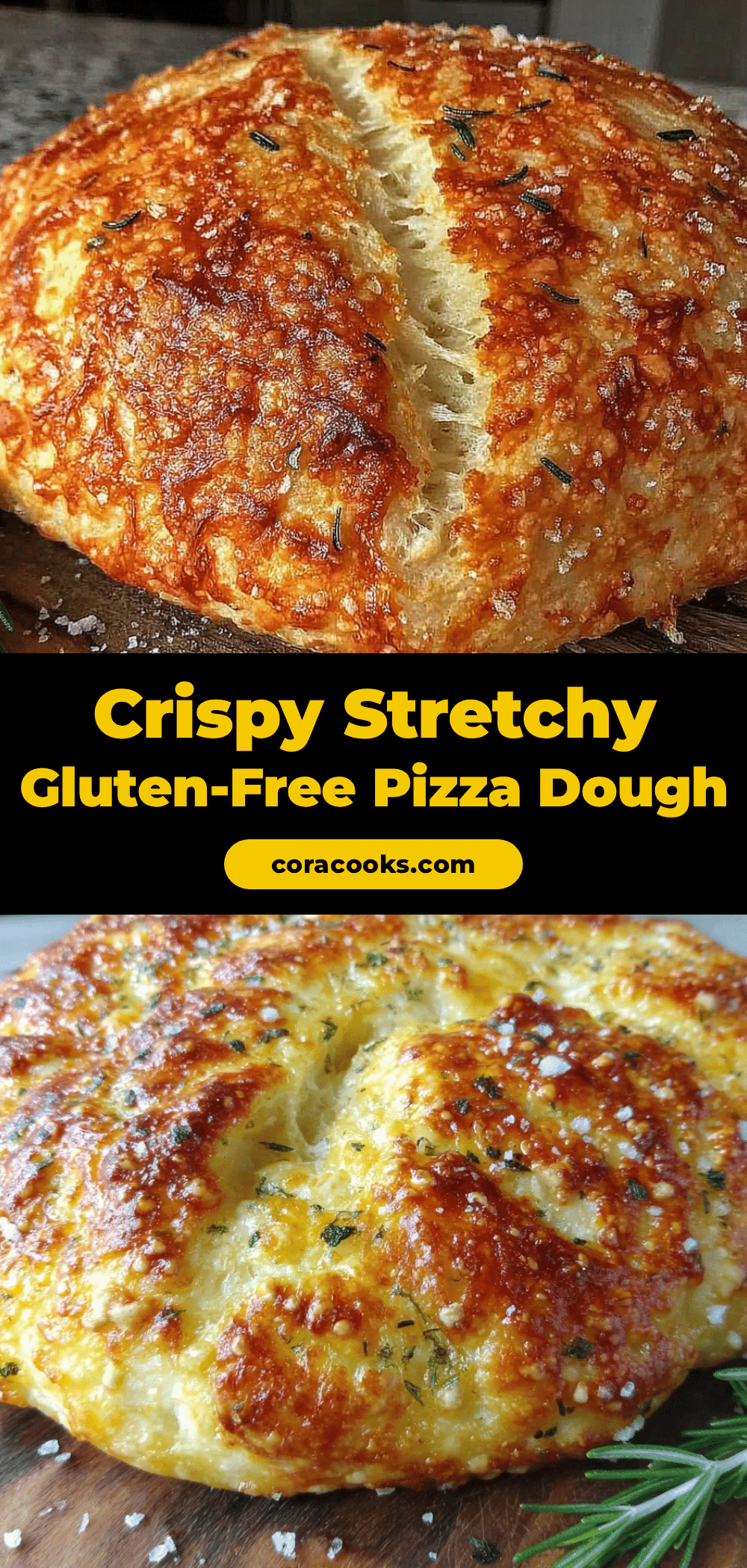
Crispy Stretchy Gluten-Free Pizza Dough Recipe Easy Homemade 3-Step Guide

This gluten-free pizza dough recipe delivers a crispy outside and stretchy inside, mimicking traditional pizza dough with simple ingredients and an easy 3-step method.
- Prep Time: 10 minutes
- Cook Time: 15-20 minutes
- Total Time: 30 minutes
- Yield: 1 pizza (6 servings) 1x
- Category: Main Course
- Cuisine: American
Ingredients
- 2 ½ cups (300 g) gluten-free all-purpose flour blend with xanthan gum
- 1 cup (240 ml) warm water (around 110°F / 43°C)
- 2 ¼ tsp (7 g) active dry yeast
- 1 tbsp (12 g) sugar
- 2 tbsp (30 ml) olive oil
- 1 tsp (5 ml) apple cider vinegar
- 1 tsp (6 g) salt
- Optional: 2 tbsp (16 g) cornstarch or potato starch
Instructions
- Activate the yeast (5-7 minutes): In a mixing bowl, combine warm water (110°F / 43°C), sugar, and active dry yeast. Stir gently with a whisk or fork. Let sit for 5-7 minutes until frothy and bubbly.
- Mix the dough (5 minutes): Add olive oil, apple cider vinegar, and salt to the yeast mixture. Slowly stir in gluten-free flour blend and optional starch, one cup at a time, mixing with a wooden spoon or spatula until a sticky dough forms.
- Rest the dough (20 minutes): Cover the bowl with plastic wrap or a damp kitchen towel. Let rest at room temperature for 20 minutes.
- Shape the dough: Lightly oil your hands and a clean work surface. Gently pull and stretch the dough into a 10-12 inch (25-30 cm) diameter pizza shape. Use oiled or wet hands if sticky.
- Preheat the oven: Set oven to 475°F (245°C) and place pizza stone or baking sheet inside to heat for 30 minutes.
- Bake the crust (8-10 minutes): Transfer shaped dough on parchment paper to the hot stone or baking sheet. Bake until golden and crisp edges appear.
- Add toppings and finish baking (7-10 minutes): Remove crust, add toppings, and return to oven until cheese is bubbly and crust is deeply golden and crispy.
Notes
If dough is too sticky to handle, refrigerate for 10 minutes before shaping. Preheat pizza stone or baking sheet thoroughly for best crispiness. Use oiled or wet hands to shape dough to avoid adding extra flour. Avoid microwaving leftovers to keep crust crisp.
Nutrition
- Serving Size: 1/6th of the pizza
- Calories: 220
- Fat: 6
- Carbohydrates: 38
- Fiber: 3
- Protein: 5
Keywords: gluten-free pizza dough, crispy pizza crust, stretchy pizza dough, easy gluten-free pizza, homemade pizza dough, vegan pizza dough