Love this? Save it for later!
Share the inspiration with your friends
The glass container sat on the counter, leaking a faint, metallic scent that I recognized all too well. This was supposed to be my masterstroke of adulting: five days of perfectly portioned, healthy, restaurant-quality salmon and asparagus bowls. I had bought the best salmon at the market, the asparagus was crisp and bright green, and my meal prep containers were lined up like soldiers waiting for duty. Then, in my rush to start, I grabbed the wrong bottle. It looked exactly like the olive oil I usually use, but it was actually the aged balsamic vinegar I had been meaning to use for a salad dressing weeks ago. I didn’t notice until the salmon was already searing in the pan, and the dark liquid hit the hot oil with a violent hiss.
What came out was nothing like the plan. Instead of a clean, savory sear, the balsamic burned instantly, creating a sticky, charred crust that looked almost ruined. I was already frustrated, standing in my kitchen with a smoky alarm waiting to go off and a deadline for a work presentation looming. I should have thrown it out. I should have ordered takeout and admitted defeat. But honestly, I was too tired to cook again, so I scraped the burnt bits into the bowl anyway, added the roasted asparagus, and topped it with a quick lemon-herb vinaigrette to mask the mistake.
I took a bite, expecting disappointment. Instead, I got something incredible. The balsamic had caramelized into a sweet-tart glaze that cut through the richness of the fatty salmon perfectly. The asparagus absorbed those smoky, acidic notes, and the whole thing tasted complex and intentional, not like an accident. It was better than the clean version I had planned, and it tasted like something you’d pay $24 for at a bistro. That happy accident became my weekly ritual. I keep making it because it taught me that sometimes the best meals come from letting go of control. You know that feeling when you stress over every detail, only to find joy in the mess? This recipe is that joy in a bowl.
Why You’ll Love This Recipe
Let’s face it, meal prep can feel like a chore. It often involves bland chicken breasts and soggy broccoli. But this salmon and asparagus bowl changes the game entirely. It isn’t just about saving time; it’s about eating food that still tastes fresh and exciting five days later. I’ve tested this recipe dozens of times, tweaking the marinade and roasting times to ensure the fish doesn’t dry out in the fridge. The result is a dish that maintains its texture and flavor profile throughout the week, which is rare for seafood.
- Quick & Easy: The entire process takes less than 30 minutes from start to finish. This is perfect for busy weeknights when you want to spend your free time relaxing, not standing over a stove.
- Simple Ingredients: You likely have most of these items in your kitchen right now. Salmon, asparagus, rice or quinoa, and a few pantry staples. No fancy grocery trips needed.
- Perfect for Meal Prep: These bowls hold up surprisingly well in the refrigerator. The flavors actually meld together over time, making day three or four potentially the best.
- Crowd-Pleaser: Even people who claim they “don’t like fish” usually love this. The sweet and savory glaze masks any fishy aftertaste, making it approachable for everyone.
- Unbelievably Delicious: The combination of flaky, tender salmon and crisp-tender asparagus creates a textural contrast that is next-level comfort food without the heaviness.
What makes this recipe different from the rest is the balsamic glaze technique. Most meal prep salmon recipes just bake the fish plain. By using that accidental balsamic sear, you create a sticky, flavorful crust that prevents the fish from becoming dry in the fridge. It’s a small tweak that makes a massive difference in the final taste. It’s the kind of recipe that makes you close your eyes after the first bite. It’s comfort food reimagined—healthier, faster, but with the same soul-soothing satisfaction. Whether you are prepping for a busy work week or just want to eat better without the stress, this bowl delivers.
What Ingredients You Will Need
This recipe uses simple, wholesome ingredients to deliver bold flavor and satisfying texture without the fuss. The beauty of this dish lies in its balance. You get healthy fats from the salmon, fiber from the asparagus, and a solid base of grains to keep you full. Most of these items are pantry staples or easy-to-find fresh produce. I recommend buying wild-caught salmon if your budget allows, as it tends to have a firmer texture that holds up better in the fridge than farm-raised varieties. For the grains, I personally prefer short-grain brown rice for its chewy texture, but quinoa works beautifully if you are gluten-free.
For the Salmon
- Salmon fillets: 4 pieces, skinless, about 6 ounces each (170g). Look for fillets that are consistent in thickness so they cook evenly.
- Aged balsamic vinegar: 2 tablespoons. This is the secret ingredient. It adds sweetness and depth. Don’t use cheap vinegar; look for a bottle that has been aged for at least 12 years.
- Avocado oil: 1 tablespoon. This has a high smoke point, which is crucial for searing the fish without burning.
- Soy sauce: 1 tablespoon. Use low-sodium soy sauce to control the salt level. Tamari is a good gluten-free alternative.
- Garlic: 2 cloves, minced. Fresh garlic is essential here; powdered garlic won’t give you that sharp flavor.
- Black pepper: ½ teaspoon, freshly cracked.
For the Asparagus
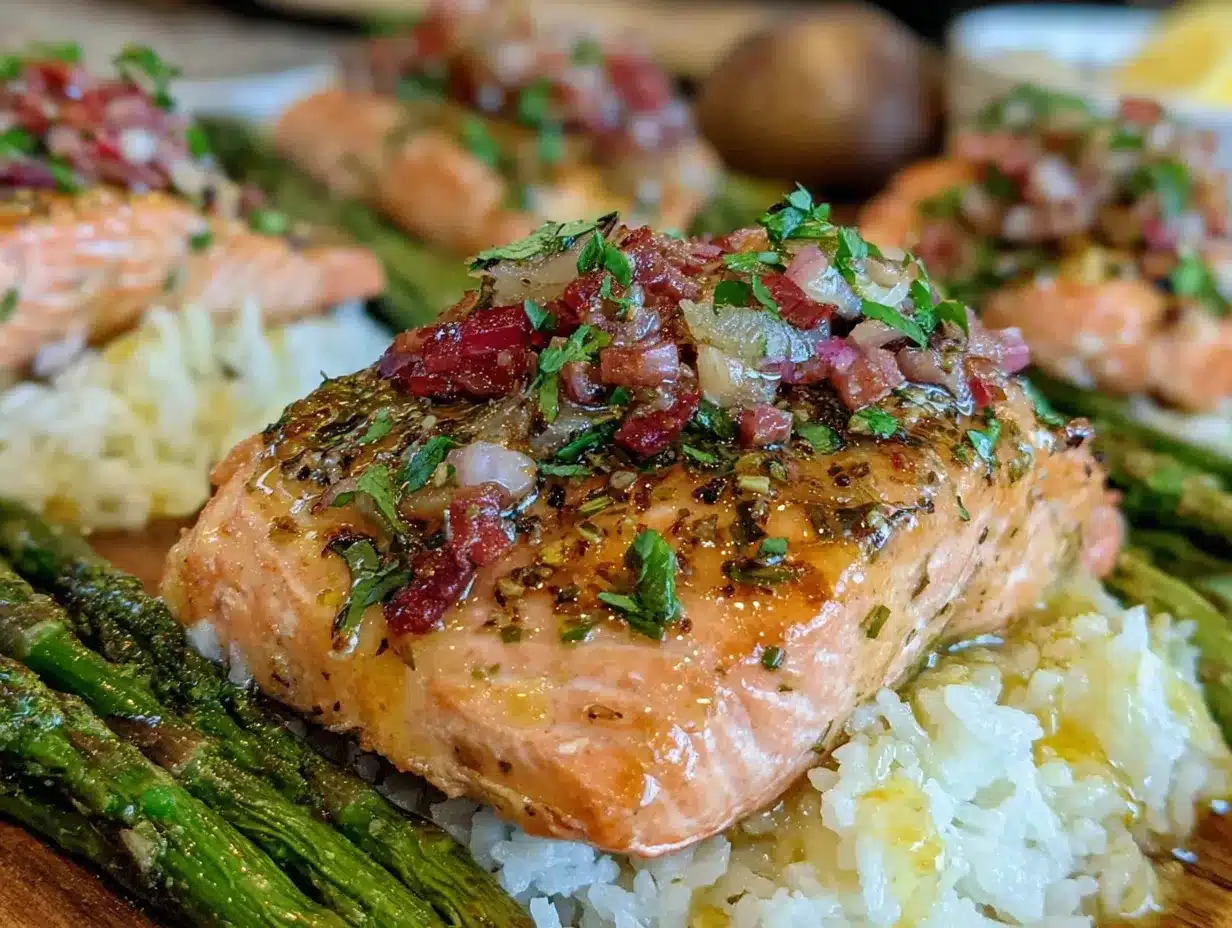
- Asparagus spears: 1 bunch, woody ends trimmed. Choose spears that are uniform in thickness. If they vary in size, save the thick ends for the front of the pan.
- Extra virgin olive oil: 1 tablespoon. For roasting, a good quality oil makes a difference in the final taste.
- Lemon juice: 1 teaspoon. A splash of acid right before serving brightens up the vegetables.
For the Base
- Brown rice or quinoa: 1 cup dry. Cooked according to package instructions. Brown rice takes longer to cook but stays fluffier in the fridge.
- Green onions: 2 stalks, sliced thin. For garnish and a fresh onion bite.
If you need to substitute, you can swap the salmon for firm white fish like cod, though the cooking time will be shorter. For a dairy-free option, this recipe is naturally free of dairy products. You can also swap the grains for cauliflower rice if you are looking for a low-carb adaptation, though the texture will be quite different.
Equipment Needed
You don’t need a fancy kitchen to make this recipe work. A standard home setup is perfectly adequate. The most important piece of equipment is a large skillet. I recommend using a cast-iron skillet if you have one. It holds heat incredibly well, which helps create that nice sear on the salmon. If you don’t have cast iron, a stainless steel pan works too, but you’ll need to be careful not to overcrowd the pan. A non-stick pan is okay, but you won’t get the same crusty texture on the fish.
You will also need a large baking sheet for the asparagus. Line it with parchment paper to make cleanup easier, especially if the balsamic glaze drips onto the sheet. Parchment paper is a lifesaver for sticky foods. You’ll need basic measuring spoons and cups. I also recommend using a digital kitchen scale for the salmon. Weighing the fish ensures you cook it for the correct amount of time based on its weight, which prevents dryness. Finally, have your meal prep containers ready. Glass containers are best for reheating and storing, as they don’t absorb odors like plastic ones do. If you are using plastic, make sure they are microwave-safe and BPA-free.
Preparation Method
Start by preparing your grains. If you are using brown rice, rinse it thoroughly under cold water. This removes excess starch and prevents the rice from becoming gummy. Add the rice to a pot with two cups of water. Bring it to a boil, then reduce the heat to low, cover, and simmer for 40-45 minutes. If you are using quinoa, rinse it as well and cook it with one cup of water for 15 minutes. Once cooked, fluff the grains with a fork and let them cool slightly. This step takes about 50 minutes total, but most of that time is passive cooking.
While the grains are cooking, prep the vegetables. Take your bunch of asparagus and snap off the woody ends. They usually break off naturally where the spear becomes tender. Cut the spears into 2-inch pieces for easier eating in a bowl. Toss them in a bowl with olive oil, salt, and pepper. Spread them out on your lined baking sheet. Roast them in a preheated 400°F (200°C) oven for 10-12 minutes. They should be bright green and tender-crisp. Do not overcook them, or they will become mushy when stored.
Now, focus on the salmon. Pat the fillets dry with paper towels. This is crucial for getting a good sear. If the fish is wet, it will steam instead of sear. In your skillet, heat the avocado oil over medium-high heat. Once the oil shimmers, add the salmon fillets skin-side up (if skinless) or presentation-side up. Let them cook undisturbed for 3-4 minutes. You want a golden crust to form. While they cook, mix the balsamic vinegar, soy sauce, minced garlic, and black pepper in a small bowl.
After the first few minutes, flip the salmon. Pour the balsamic mixture over the fish. It will sizzle and bubble. Let it cook for another 3-4 minutes, basting the fish with the sauce using a spoon. The sauce will reduce and become sticky. The salmon is done when it flakes easily with a fork and reaches an internal temperature of 145°F (63°C). Remove from heat and let it rest for 5 minutes. This allows the juices to redistribute. Assemble your bowls by placing a scoop of grains at the bottom, adding the roasted asparagus, and topping it with a piece of salmon. Garnish with sliced green onions and a squeeze of fresh lemon juice.
How long does the salmon need to cook?
The salmon needs about 6-8 minutes total, depending on thickness. A general rule is 4-5 minutes per inch of thickness.
Can I cook the asparagus in the same pan?
It is better to roast the asparagus in the oven. The skillet is best reserved for the high-heat sear of the salmon. Roasting ensures even cooking for the asparagus.
Why do I need to pat the salmon dry?
Moisture prevents browning. Dry fish sears; wet fish steams. For that restaurant-quality crust, dryness is key.
What is the best way to cut the asparagus?
Snap the woody ends off by hand. They break at the perfect point where the spear becomes tender. Then chop the rest into bite-sized pieces.
How do I know when the salmon is done?
Use a fork to gently press the top of the fillet. If it flakes apart easily and looks opaque throughout, it is done. An instant-read thermometer should read 145°F.
Cooking Tips & Techniques
One of the biggest mistakes people make with meal prep salmon is overcooking it. Fish continues to cook slightly after it is removed from the heat due to residual heat. I always take my salmon out when it is just barely opaque in the center. It will finish cooking as it rests. Another tip is to let the salmon come to room temperature before cooking. If you take it straight from the fridge to the pan, the outside will cook too fast while the inside remains raw. Let it sit on the counter for 15 minutes before you start.
When searing the salmon, resist the urge to move it around. Let the heat do its work. If you try to flip it too early, the skin or crust will stick to the pan and tear. Wait until the fish releases itself naturally. Also, don’t crowd the pan. If you are cooking four fillets and your pan is small, cook them in two batches. Crowding lowers the pan temperature and leads to steaming. Finally, taste your sauce before pouring it over the fish. Adjust the salt or sweetness if needed. The balsamic vinegar varies in sweetness, so you might need a pinch more salt or a dash of honey.
Variations & Adaptations
This recipe is highly adaptable. If you are not a fan of salmon, you can use thick-cut chicken thighs. The balsamic glaze works beautifully with chicken too. Just increase the cooking time slightly to ensure the chicken is fully cooked. For a vegetarian option, swap the salmon for extra-firm tofu. Press the tofu to remove water, then sear it in the same way. The tofu will absorb the balsamic sauce like a sponge. You can also add other vegetables to the bowl. Roasted sweet potatoes or broccoli florets would complement the flavors well.
If you are gluten-sensitive, make sure to use tamari instead of soy sauce. Most balsamic vinegars are naturally gluten-free, but check the label to be sure. For a dairy-free version, this recipe is already safe, but avoid adding any butter-based sauces. You can also swap the grains for couscous or farro if you prefer a different texture. Farro adds a nice nutty flavor that pairs well with the asparagus. I once tried this with wild mushrooms instead of asparagus, and it was delicious, though the mushrooms released more water, so I had to cook them longer to get them crisp.
Serving & Storage Suggestions
These bowls are best served at room temperature or slightly warmed. If you are eating them for lunch at work, you can microwave them for 2-3 minutes. Be careful not to overheat the salmon, or it will become rubbery. I recommend heating the grains and vegetables first, then adding the salmon for the last 30 seconds. Store the bowls in airtight glass containers in the refrigerator for up to 4 days. The flavors meld together over time, so day three is often my favorite. If you want to freeze them, it is better to freeze the grains and vegetables separately. The salmon does not freeze well, as the texture changes significantly after thawing. For best results, consume the salmon within 4 days of preparation.
Nutritional Information & Benefits
This recipe is packed with nutrients. Salmon is an excellent source of omega-3 fatty acids, which are great for heart and brain health. Asparagus is rich in vitamins A, C, and K, as well as folate. Brown rice provides fiber and complex carbohydrates for sustained energy. Each bowl contains approximately 450-500 calories, with a good balance of protein, healthy fats, and carbs. It is naturally gluten-free and dairy-free. For those watching their sodium intake, using low-sodium soy sauce and limiting added salt helps keep the sodium levels in check. This meal supports muscle recovery and overall wellness, making it a great choice for active individuals.
Conclusion
This salmon and asparagus bowl is more than just a meal; it is a solution for busy weeks. It proves that healthy eating doesn’t have to be boring or complicated. The balsamic glaze adds a touch of luxury that makes you feel like you are treating yourself, even on a Tuesday night. I love this recipe because it is forgiving. You don’t need to be a perfect cook to make it taste amazing. Try it your way. Add your favorite veggies, swap the grains, or tweak the sauce. I’d love to hear how you customize it. Leave a comment below and let me know your favorite variations. Share this recipe with a friend who needs some meal prep inspiration. Happy cooking!
Frequently Asked Questions
Can I use frozen salmon for this recipe?
Yes, you can use frozen salmon, but you must thaw it completely before cooking. Pat it very dry to ensure a good sear. Fresh salmon is preferred for the best texture, but frozen works in a pinch.
How do I prevent the balsamic from burning?
The key is to add the balsamic mixture only after the fish has seared for a few minutes. The sugar in the vinegar can burn if exposed to high heat for too long. Adding it later allows it to caramelize without charring.
Can I make this recipe ahead of time for the whole week?
Yes, this is designed for meal prep. Cook everything on Sunday and store in containers. It will stay fresh for up to 4 days. Just assemble the bowls when you are ready to eat.
What can I use instead of balsamic vinegar?
If you don’t have balsamic, you can use a honey-soy glaze or a simple lemon-herb marinade. The balsamic adds a unique sweetness, but other acids like apple cider vinegar or red wine vinegar can work too.
Is this recipe kid-friendly?
Most kids love this recipe. The sweet balsamic glaze masks any strong fish flavor. You can also cut the salmon into smaller pieces or serve the asparagus on the side if they are picky about vegetables.
Pin This Recipe!
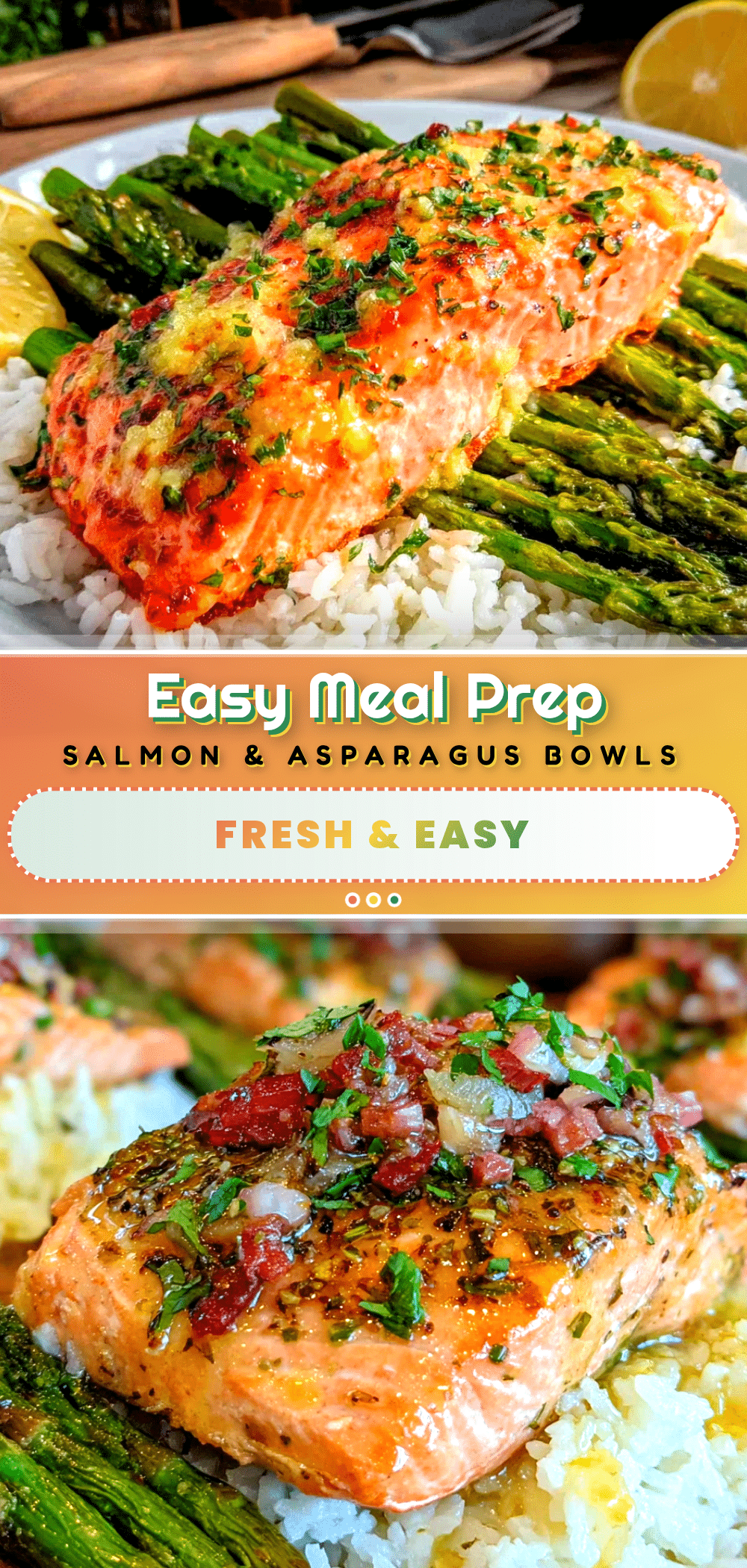
Easy Meal Prep Salmon and Asparagus Bowls
A forgiving and delicious meal prep recipe featuring salmon seared with a sweet-tart balsamic glaze, served over brown rice or quinoa with roasted asparagus. Perfect for busy weeks, this dish maintains its flavor and texture for up to four days.
- Prep Time: 15 minutes
- Cook Time: 30 minutes
- Total Time: 45 minutes
- Yield: 4 servings 1x
- Category: Main Course
- Cuisine: American
Ingredients
- 4 salmon fillets, skinless, about 6 ounces each
- 2 tablespoons aged balsamic vinegar
- 1 tablespoon avocado oil
- 1 tablespoon low-sodium soy sauce (or tamari for gluten-free)
- 2 cloves garlic, minced
- ½ teaspoon freshly cracked black pepper
- 1 bunch asparagus spears, woody ends trimmed
- 1 tablespoon extra virgin olive oil
- 1 teaspoon lemon juice
- 1 cup dry brown rice or quinoa
- 2 stalks green onions, sliced thin
Instructions
- Rinse the brown rice or quinoa thoroughly. Cook according to package instructions (brown rice: 40-45 mins; quinoa: 15 mins). Fluff with a fork and let cool slightly.
- Preheat oven to 400°F (200°C). Trim woody ends from asparagus and cut into 2-inch pieces.
- Toss asparagus with olive oil, salt, and pepper. Spread on a parchment-lined baking sheet and roast for 10-12 minutes until bright green and tender-crisp.
- Pat salmon fillets dry with paper towels. Heat avocado oil in a large skillet over medium-high heat.
- Place salmon in the skillet. Let cook undisturbed for 3-4 minutes to form a golden crust.
- In a small bowl, mix balsamic vinegar, soy sauce, minced garlic, and black pepper.
- Flip salmon and pour the balsamic mixture over the fish. Cook for another 3-4 minutes, basting with the sauce until it reduces and becomes sticky.
- Remove salmon from heat when it flakes easily and reaches an internal temperature of 145°F (63°C). Let rest for 5 minutes.
- Assemble bowls with grains, roasted asparagus, and salmon. Garnish with green onions and a squeeze of lemon juice.
Notes
For best results, let salmon come to room temperature for 15 minutes before cooking to ensure even cooking. Do not overcrowd the pan when searing. The balsamic glaze should be added after the initial sear to prevent burning. Store in airtight glass containers in the refrigerator for up to 4 days. Salmon does not freeze well; freeze grains and vegetables separately if needed.
Nutrition
- Serving Size: 1 bowl per serving
- Calories: 475
- Sugar: 6
- Sodium: 450
- Fat: 22
- Saturated Fat: 4
- Carbohydrates: 35
- Fiber: 4
- Protein: 35
Keywords: salmon, asparagus, meal prep, balsamic glaze, healthy dinner, gluten-free, dairy-free, quick meals, high protein