Love this? Save it for later!
Share the inspiration with your friends
I was standing in the dairy aisle of the grocery store last Tuesday, staring at a tub of cream cheese like it held the secrets to the universe, when the smell hit me. It wasn’t from the store at all—it was a memory, sharp and sudden. Cinnamon and brown sugar, buttery dough, that warm, yeasty sweetness that only comes from something baking in the oven. And just like that, I was eight years old again, sitting on the cracked vinyl stool at my Aunt Lena’s kitchen counter, watching her pull a glass baking dish from the oven. The top was golden and bubbling, and she’d pour this thick, tangy cream cheese glaze right over it while it was still hot, watching it melt into every crevice. She called it “company breakfast,” but she made it for us on random Saturday mornings when she felt like being extra. I haven’t seen that stool—or Aunt Lena—in fifteen years.
The thing is, I remembered the casserole as this heavy, decadent thing. A weekend-only, loosen-your-belt kind of breakfast. And I wanted that feeling back, that Saturday morning magic, but I also wanted to feel good after eating it. You know that feeling when you love something so much, but your body just doesn’t love it back the way it used to? That’s where this recipe came from. I spent a solid month testing versions—some were too dry, some were a soggy mess, and one was so sweet I actually got a headache. Honestly, I almost gave up. But then I thought about Aunt Lena, and how she never followed a recipe exactly, and I realized I had to stop trying to recreate hers and just make my own.
So, this Lighter Overnight Cinnamon Roll Casserole with Cream Cheese Glaze is my version. It has all the gooey, cinnamon-swirl comfort of the original, but with smarter swaps that don’t scream “diet food.” It’s the kind of breakfast that makes you close your eyes after the first bite, not because it’s overly indulgent, but because it just tastes right. Maybe you’ve been there, chasing a flavor from your past that you can almost but not quite hold onto. This is my attempt to catch it. And I think I finally did.
Why You’ll Love This Recipe
Let me tell you, this isn’t just another breakfast casserole. After dozens of trials—some that ended up in the trash, let’s be honest—I landed on a version that hits every single note without the post-breakfast slump. Here’s why this one is different:
- Make-Ahead Magic : Assemble it the night before, pop it in the fridge, and wake up to a breakfast that’s practically done. Perfect for holiday mornings or when you have houseguests and want to be a hero without waking up at dawn.
- Lighter, Not Depriving : We’re using reduced-fat cream cheese, a touch less sugar, and whole wheat pastry flour in the cinnamon mixture. But I promise you—it still tastes like the real deal. My husband, who can sniff out a “healthy” swap from a mile away, asked for seconds.
- Simple Pantry Ingredients : No weird protein powders or sugar substitutes that leave a strange aftertaste. Everything here is recognizable and probably already in your kitchen.
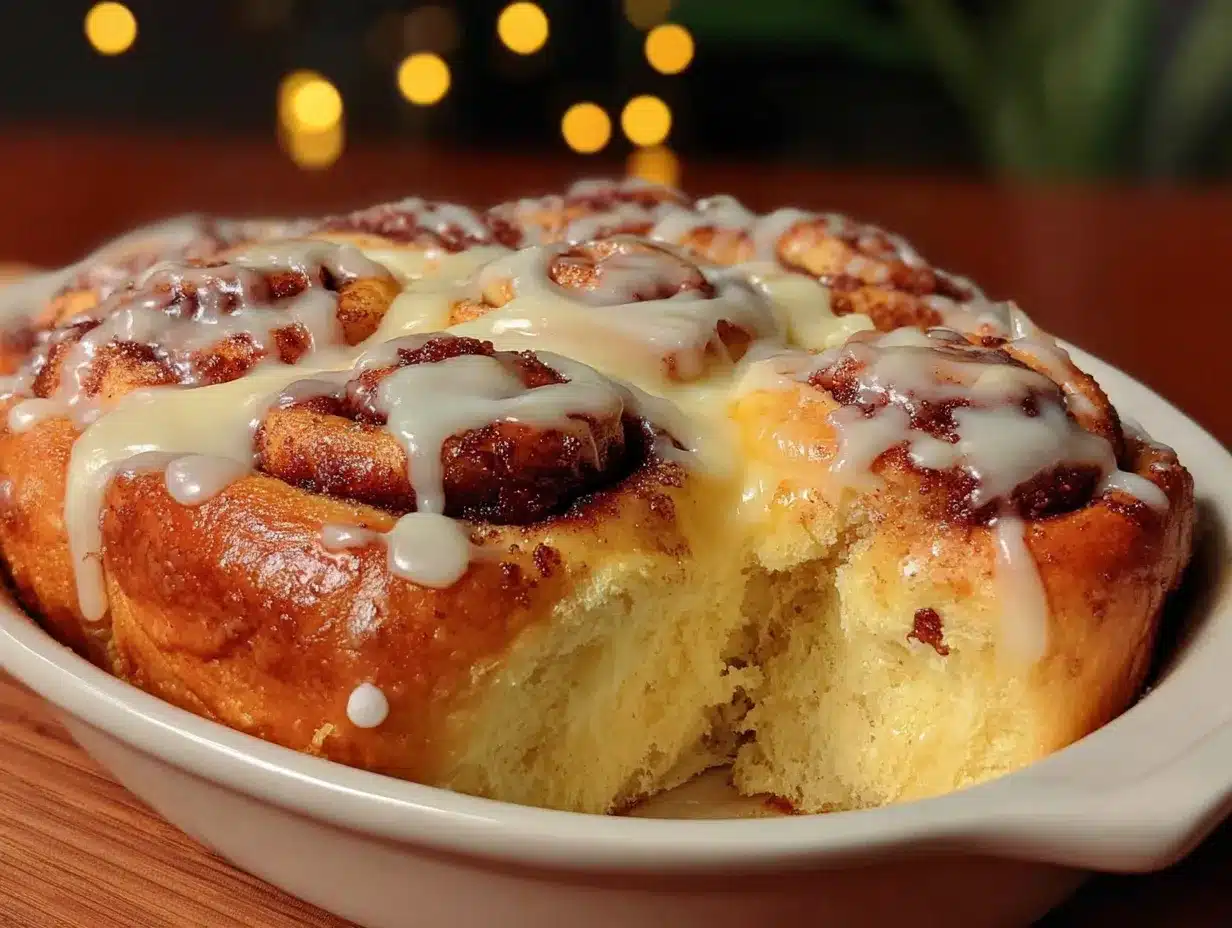
- Crowd-Pleasing Comfort : This is the dish that disappears first at brunch. The texture is soft and custard-like on the inside, with these gorgeous caramelized edges on top. Kids love it, adults love it, and it pairs perfectly with a cup of strong coffee.
- That Cream Cheese Glaze : I know, I know, glazes can be a pain. But this one is a two-minute whisk situation, and it’s the tangy, creamy crown jewel that ties everything together. It’s not too sweet, which is the secret.
What makes this recipe stand out from the hundreds of other cinnamon roll casseroles out there? It’s the balance. I tested the ratio of egg to milk to bread until the custard was just right—not too wet, not too dry. I swapped half the butter for unsweetened applesauce in the cinnamon layer, which adds moisture and a hint of natural sweetness without the fat. And the glaze? I use a combination of reduced-fat cream cheese and a splash of Greek yogurt for extra tang and creaminess. It’s a small tweak, but it makes a world of difference. This isn’t just a lighter version of a classic; it’s the version I’d choose even if calories weren’t a concern.
What Ingredients You Will Need
This recipe relies on simple, wholesome ingredients to create that signature cinnamon roll experience without the heavy feeling. Most of these are pantry staples, which makes this perfect for a last-minute brunch idea or a planned holiday breakfast. Here’s what you’ll need and why each one matters.
For the Casserole Base
- 1 (13-ounce) package refrigerated cinnamon rolls with icing – I prefer the Pillsbury Grands! Cinnamon Rolls for their fluffy texture. Don’t use the mini ones; they get lost in the custard. You’ll save the included icing packet for later, or you can toss it—I won’t tell.
- 4 large eggs – Make sure they’re at room temperature. Cold eggs will seize up the milk mixture and give you a lumpy custard. Set them on the counter for 30 minutes before you start.
- 1 ½ cups 2% milk – Whole milk works beautifully here, but 2% keeps it lighter. I don’t recommend skim milk; the custard won’t be as rich. For a dairy-free option, use unsweetened oat milk.
- ¼ cup pure maple syrup – Not pancake syrup, the real stuff. It adds a subtle, earthy sweetness that pairs perfectly with the cinnamon. Honey is a good substitute if that’s what you have.
- 1 teaspoon vanilla extract – Pure vanilla, not imitation, if you can swing it. It makes a noticeable difference in the warmth of the flavor.
- ½ teaspoon ground cinnamon – This goes into the custard itself for an extra layer of spice. I use Ceylon cinnamon for its milder, sweeter profile.
- ¼ teaspoon salt – Just a pinch to balance the sweetness and wake up all the other flavors.
For the Cinnamon Swirl Layer
- ¼ cup unsalted butter, melted – I use salted butter in a pinch and just skip the extra salt in the custard. Kerrygold is my go-to for its rich flavor.
- ¼ cup unsweetened applesauce – This is the secret swap. It replaces half the butter and keeps the cinnamon sugar mixture moist and spreadable without all the saturated fat.
- ½ cup packed light brown sugar – Light brown sugar has a delicate molasses flavor that’s essential. Dark brown sugar will work, but it’ll be more intense.
- 1 tablespoon ground cinnamon – Yes, a whole tablespoon. Don’t be shy; this is the star of the show.
- ¼ teaspoon ground nutmeg – Optional, but I love the warmth it adds. Freshly grated is best, but pre-ground works fine.
For the Cream Cheese Glaze
- 4 ounces reduced-fat cream cheese, softened – Full-fat works too, but I find the reduced-fat version creates a lighter, tangier glaze that doesn’t overpower the casserole. Let it sit out for at least an hour to soften properly.
- 2 tablespoons plain Greek yogurt – This is my trick for extra creaminess and a slight tang. It also helps the glaze drizzle beautifully without being too thick.
- ½ cup powdered sugar – Sift it if you have the patience, or just whisk really well to avoid lumps.
- 1 teaspoon vanilla extract – Same rule applies: pure vanilla is best.
- 1 to 2 tablespoons milk – Use this to thin the glaze to your desired consistency. Start with one tablespoon and add more a teaspoon at a time.
Equipment Needed
Nothing fancy here, which is part of the beauty. You likely have everything you need already. A 9×13-inch baking dish is the standard size for this recipe. I use a glass dish because I love being able to see the custard level around the rolls, but ceramic or metal works just as well. If you use metal, keep in mind it conducts heat faster, so check the casserole a few minutes early.
You’ll need a large mixing bowl for the custard and a medium bowl for the cinnamon swirl mixture. A whisk is essential for getting the eggs fully incorporated into the milk. For the glaze, a small bowl and a rubber spatula are all you need. I also recommend having a sharp knife or kitchen shears to cut the cinnamon rolls into quarters—it’s much easier than tearing them apart.
If you don’t have a 9×13 dish, you can use a 10-inch cast iron skillet for a rustic look, but the baking time may vary slightly. And if you’re planning to make this for a crowd, a disposable aluminum pan works perfectly for transport. Just be sure to put it on a baking sheet for stability.
Preparation Method
This recipe is designed to be made the night before, so the morning-of effort is minimal. But if you’re impatient like me, you can absolutely bake it right away—just reduce the overnight refrigeration step. Here’s how to do it right.
- Prep the baking dish. Grease your 9×13-inch baking dish generously with butter or non-stick spray. Don’t skimp here, or the caramelized edges will stick. I use a paper towel to spread a thin, even layer of softened butter across the bottom and up the sides.
- Cut the cinnamon rolls. Open the can of cinnamon rolls—brace yourself for that satisfying pop—and separate them. Using a sharp knife, cut each roll into 4 equal quarters. They’ll be sticky, so flour your knife lightly if needed. Arrange the quarters in the prepared baking dish in an even layer. Don’t worry about being too precise; the custard will fill in the gaps. Sprinkle the reserved icing packet over the top if you want extra sweetness, or save it for something else.
- Make the custard. In a large mixing bowl, whisk together the eggs until they’re frothy and light yellow, about 30 seconds. Add the milk, maple syrup, vanilla extract, cinnamon, and salt. Whisk until everything is fully combined and smooth. The mixture should look pale and slightly thickened. Pour this custard evenly over the cinnamon roll pieces in the dish. Use a spatula to gently press down on any rolls that are poking above the custard—they need to soak it all up.
- Make the cinnamon swirl. In a medium bowl, combine the melted butter, applesauce, brown sugar, cinnamon, and nutmeg. Stir until it forms a thick, grainy paste. Drop spoonfuls of this mixture over the top of the casserole, then use a knife or spatula to gently swirl it into the custard. Don’t overmix; you want ribbons of cinnamon sugar throughout, not a uniform brown mess. Cover the dish tightly with plastic wrap or aluminum foil and refrigerate for at least 8 hours, or up to 24. The longer it sits, the more the bread absorbs the custard, resulting in a softer, more cohesive casserole.
- Bake the casserole. The next morning, preheat your oven to 350°F (175°C). Remove the casserole from the fridge and let it sit on the counter while the oven heats up—about 20 minutes. This takes the chill off and ensures even baking. Bake, uncovered, for 35 to 40 minutes, or until the top is golden brown and the center is set. You’ll know it’s done when a knife inserted into the center comes out clean or with just a few moist crumbs. The edges should be bubbling and caramelized. If the top is browning too quickly, tent it loosely with foil for the last 10 minutes.
- Make the glaze. While the casserole bakes, make the glaze. In a small bowl, beat the softened cream cheese with a rubber spatula until it’s smooth and creamy. Add the Greek yogurt, powdered sugar, and vanilla extract, and stir until combined. It will be thick at this point. Add milk, one tablespoon at a time, stirring until you reach a pourable consistency. I like mine thick enough to coat the back of a spoon but thin enough to drizzle. Set it aside.
- Glaze and serve. Let the casserole cool on a wire rack for 10 to 15 minutes. This is crucial—if you pour the glaze on a piping hot casserole, it will melt into a puddle and disappear. Once it’s slightly warm, drizzle the glaze generously over the top. Serve immediately, while it’s still warm and the glaze is soft.
Cooking Tips & Techniques
After making this casserole about eight times in one month, I’ve collected a few hard-won lessons. Here’s what I wish I’d known from the start.
Don’t over-soak the bread. I know I said to let it sit overnight, but there is a limit. If you let it sit for more than 24 hours, the cinnamon roll pieces can become mushy and lose their structure. 8 to 12 hours is the sweet spot. The rolls should be soft but still hold their shape when you press them.
Watch your oven temperature. My oven runs hot, so I always check the casserole at the 30-minute mark. If the top is deeply golden but the center still jiggles, I cover it with foil and let it bake another 10 minutes. Every oven is different, so trust your eyes and a knife test over the timer.
The glaze is a balancing act. I once made the glaze with cold cream cheese straight from the fridge. It was lumpy and sad. Let your cream cheese soften completely—at least an hour at room temperature. If you’re in a hurry, microwave it in 10-second bursts, but be careful not to melt it. Also, taste the glaze before you pour it. If it’s too tangy, add a tablespoon more powdered sugar. If it’s too sweet, a squeeze of lemon juice or a pinch of salt will fix it.
Make it ahead for the holidays. This recipe is a lifesaver for Thanksgiving morning or Christmas brunch. Assemble everything the night before, and in the morning, all you have to do is preheat the oven and make the glaze. It frees you up to enjoy your coffee and your company. I’ve even baked it the day before, let it cool completely, and reheated it in a 300°F oven for 15 minutes. It’s not quite as good as fresh, but it’s still delicious.
Don’t skip the rest. Letting the casserole sit for 10 minutes after baking is not optional. It allows the custard to set fully, so you get clean slices instead of a soupy mess. I know it’s hard to wait when your kitchen smells like a bakery, but trust me on this one.
Variations & Adaptations
One of the best things about this casserole is how flexible it is. I’ve tested several variations, and they’ve all been winners. Here are a few to try.
Gluten-Free Version: Use a gluten-free cinnamon roll brand. I’ve had good luck with the Sweet Loren’s brand, though they’re smaller, so you may need two packages. The custard ingredients are naturally gluten-free, so no other swaps are needed. Just keep an eye on the baking time, as gluten-free breads can absorb liquid differently.
Vegan Adaptation: Replace the eggs with a flax egg mixture (2 tablespoons ground flaxseed mixed with 6 tablespoons water, let sit for 5 minutes). Use a plant-based milk like oat or almond, and swap the butter for vegan butter. For the glaze, use a vegan cream cheese (Kite Hill is my favorite) and a thick, plain coconut yogurt. The texture will be slightly less custardy, but it’s still incredibly satisfying.
Apple Cinnamon Version: This is my personal favorite fall variation. Peel and dice one medium apple (Honeycrisp or Granny Smith work well) and toss it with a tablespoon of brown sugar and a teaspoon of cinnamon. Layer the apple pieces between the cinnamon roll quarters before pouring the custard. The apples soften and become almost jammy as they bake. It adds a lovely fruitiness and extra moisture.
Pumpkin Spice Version: For a Thanksgiving twist, replace the maple syrup in the custard with pumpkin puree (about ¼ cup) and add an extra teaspoon of pumpkin pie spice. The color will be a gorgeous deep orange, and the flavor is pure autumn. Top with a sprinkle of toasted pecans before serving for crunch.
Less Sweet Option: If you prefer a less sugary breakfast, reduce the brown sugar in the cinnamon swirl to ⅓ cup and skip the reserved icing packet. The cream cheese glaze still provides plenty of sweetness, and the natural maple flavor shines through more.
Serving & Storage Suggestions
This casserole is best served warm, straight from the oven, with the glaze still soft and glossy. I like to cut it into square portions and serve it on a large platter so everyone can see those beautiful caramelized edges. A side of fresh fruit—like a bowl of mixed berries or sliced oranges—balances the richness perfectly. And of course, a hot cup of coffee or a cold glass of milk is non-negotiable.
If you have leftovers (which is rare in my house), store them in an airtight container in the refrigerator for up to 3 days. The casserole will firm up as it chills, but it’s still delicious. To reheat, I recommend using a toaster oven or air fryer at 300°F for about 8 minutes. This crisps up the edges again without drying out the custard. The microwave works in a pinch, but the texture becomes softer and more bread-pudding-like. I actually don’t mind it that way, but it’s a different experience.
You can also freeze this casserole. Bake it completely, let it cool, and wrap it tightly in plastic wrap and then foil. Freeze for up to 3 months. To serve, thaw it overnight in the refrigerator and reheat in a 300°F oven until warmed through. Make the glaze fresh when you’re ready to serve, as the frozen glaze will separate and become grainy.
One thing I’ve noticed is that the flavors meld together even more on the second day. The cinnamon and maple become deeper and more harmonious. So if you’re planning a brunch, don’t stress about making it fresh—it’s almost better the next day.
Nutritional Information & Benefits
I’m not a nutritionist, but I do care about what I put in my body. This casserole is designed to be a lighter option that doesn’t feel like a compromise. Here’s a rough estimate per serving (based on 12 servings):
- Calories: ~285
- Fat: 12g
- Carbohydrates: 38g
- Protein: 8g
- Sugar: 22g
- Fiber: 1g
The applesauce swap cuts the saturated fat by about 30% compared to a traditional recipe, and the Greek yogurt in the glaze adds a boost of protein and probiotics. The eggs provide high-quality protein, and the cinnamon is packed with antioxidants and has been shown to help regulate blood sugar. Is it a health food? No. But it’s a breakfast that makes you feel good, both while you’re eating it and after. And that’s a win in my book.
If you’re watching your sugar intake, you can reduce the maple syrup to 2 tablespoons and use a sugar substitute in the glaze, but honestly, I think the real deal is worth it for a special occasion. Balance is everything.
Conclusion
This Lighter Overnight Cinnamon Roll Casserole with Cream Cheese Glaze is more than just a breakfast recipe to me. It’s a Saturday morning in a dish. It’s the smell that pulled me back to Aunt Lena’s kitchen, and it’s the taste of figuring out how to hold onto something good without letting it weigh you down. I’ve made this for Christmas brunch, for lazy Sundays, for friends who needed a hug in the form of food. And every single time, it delivers.
I’d love for you to try it and make it your own. Maybe you’ll add nuts, or swap in a different fruit, or double the glaze (I wouldn’t blame you). The beauty of a recipe like this is that it’s a starting point, not a rulebook. So go ahead, make a mess, forget to set the timer once, and enjoy every single bite. And if you do make it, come back and let me know how it turned out in the comments. I read every single one, and honestly, your stories are my favorite part of this whole thing.
Happy baking, friends. You’ve got this.
Frequently Asked Questions
Can I use homemade cinnamon rolls instead of refrigerated ones?
Absolutely. If you have a favorite homemade cinnamon roll recipe, go for it. You’ll need about 12 to 15 rolls, cut into quarters. Just make sure they’re fully baked before assembling the casserole, as they won’t cook through as well in the custard. Day-old rolls work best because they’re slightly stale and absorb the custard beautifully.
Can I make this casserole without the overnight rest?
Yes, but the texture will be different. The overnight rest allows the bread to fully absorb the custard, resulting in a soft, almost bread-pudding-like interior. If you bake it right away, the rolls will be firmer and more distinct. It’s still delicious, just a different experience. Reduce the baking time by about 5 minutes if you skip the rest.
Why did my casserole turn out soggy?
This usually happens for one of three reasons: too much custard, not enough baking time, or the rolls weren’t cut small enough. Stick to the measurements in the recipe, and make sure your rolls are cut into quarters. If the top is browning but the center is still wet, cover it with foil and bake for an additional 10 to 15 minutes. A properly baked casserole should be set in the center and slightly jiggly, not liquid.
Can I use a different type of milk?
Yes, but the fat content matters. Whole milk or 2% milk gives the best texture. Oat milk and almond milk work, but the custard will be slightly thinner and less rich. I don’t recommend skim milk, as it can make the casserole watery. Coconut milk (from a carton, not a can) adds a lovely subtle flavor if you’re feeling adventurous.
How do I prevent the glaze from melting into the casserole?
Patience, my friend. The casserole needs to cool for at least 10 to 15 minutes before you add the glaze. If it’s still piping hot, the glaze will melt and disappear into the custard. You want the casserole to be warm but not hot. If you’re in a rush, you can pop it in the fridge for 5 minutes to speed up the cooling process.
Pin This Recipe!
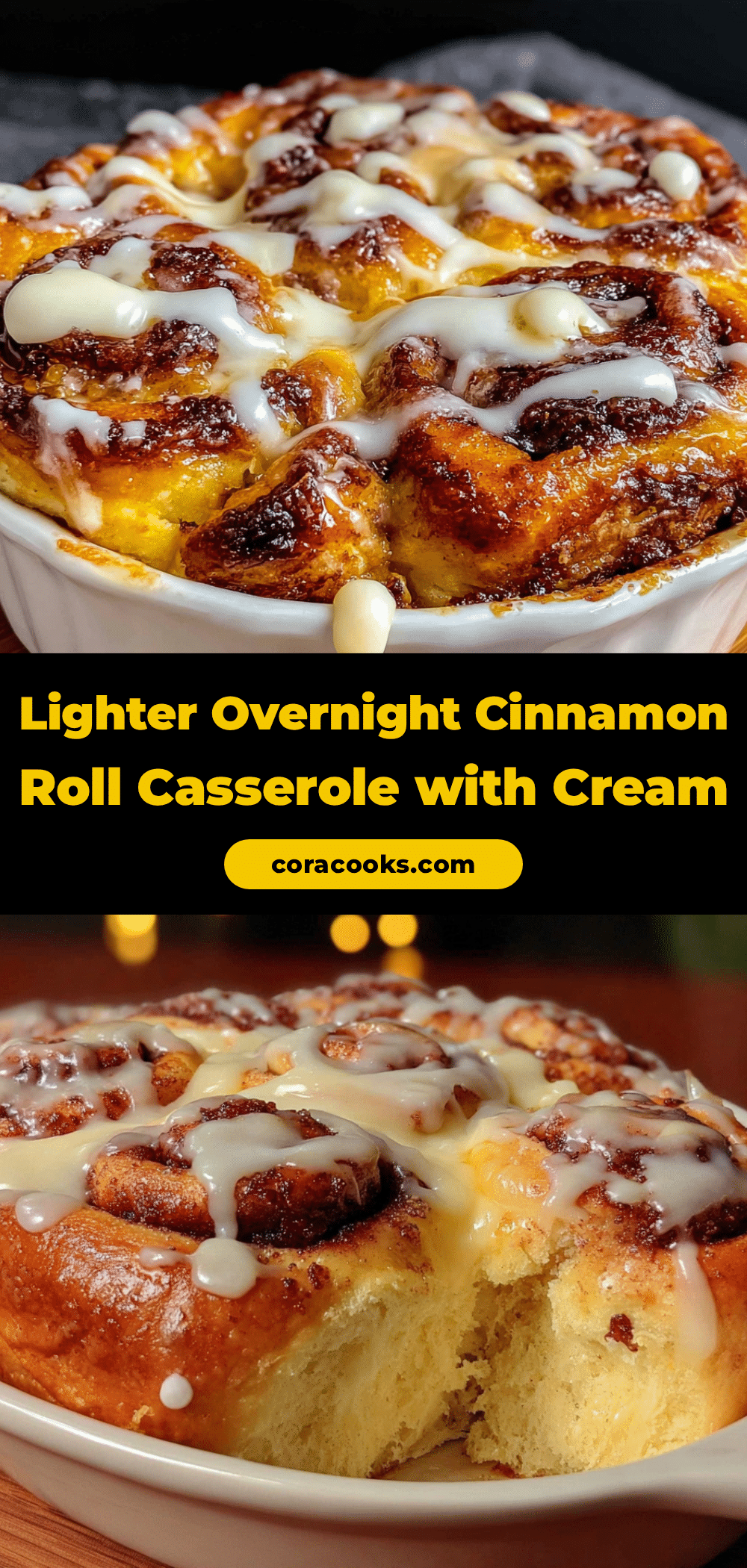
Lighter Overnight Cinnamon Roll Casserole with Cream Cheese Glaze

A lighter version of the classic cinnamon roll casserole, made with smart swaps like applesauce and Greek yogurt, but still packed with gooey, cinnamon-swirl comfort. Perfect for make-ahead holiday mornings or lazy weekend brunches.
- Prep Time: 20 minutes
- Cook Time: 35 minutes
- Total Time: 8 hours 55 minutes (includes overnight refrigeration)
- Yield: 12 servings 1x
- Category: Breakfast
- Cuisine: American
Ingredients
- 1 (13-ounce) package refrigerated cinnamon rolls with icing (e.g., Pillsbury Grands!)
- 4 large eggs, at room temperature
- 1 ½ cups 2% milk
- ¼ cup pure maple syrup
- 1 teaspoon vanilla extract
- ½ teaspoon ground cinnamon (Ceylon preferred)
- ¼ teaspoon salt
- ¼ cup unsalted butter, melted
- ¼ cup unsweetened applesauce
- ½ cup packed light brown sugar
- 1 tablespoon ground cinnamon
- ¼ teaspoon ground nutmeg (optional)
- 4 ounces reduced-fat cream cheese, softened
- 2 tablespoons plain Greek yogurt
- ½ cup powdered sugar, sifted
- 1 teaspoon vanilla extract
- 1 to 2 tablespoons milk
Instructions
- Grease a 9×13-inch baking dish generously with butter or non-stick spray.
- Open the can of cinnamon rolls and cut each roll into 4 equal quarters. Arrange the quarters in an even layer in the prepared dish. Sprinkle the reserved icing packet over the top if desired.
- In a large mixing bowl, whisk the eggs until frothy and light yellow, about 30 seconds. Add the milk, maple syrup, vanilla extract, cinnamon, and salt. Whisk until fully combined and smooth.
- Pour the custard evenly over the cinnamon roll pieces. Gently press down any rolls poking above the custard.
- In a medium bowl, combine the melted butter, applesauce, brown sugar, cinnamon, and nutmeg. Stir until it forms a thick paste. Drop spoonfuls over the casserole and gently swirl into the custard with a knife or spatula.
- Cover the dish tightly with plastic wrap or foil and refrigerate for at least 8 hours, or up to 24 hours.
- The next morning, preheat the oven to 350°F (175°C). Remove the casserole from the fridge and let it sit on the counter for 20 minutes.
- Bake, uncovered, for 35 to 40 minutes, or until the top is golden brown and the center is set. A knife inserted into the center should come out clean or with a few moist crumbs. If browning too quickly, tent with foil for the last 10 minutes.
- While the casserole bakes, make the glaze: In a small bowl, beat the softened cream cheese until smooth. Add the Greek yogurt, powdered sugar, and vanilla extract, and stir until combined. Add milk, one tablespoon at a time, until you reach a pourable consistency.
- Let the casserole cool on a wire rack for 10 to 15 minutes. Drizzle the glaze generously over the top. Serve warm.
Notes
For best results, let the cream cheese soften at room temperature for at least an hour. The casserole can be baked immediately without overnight rest, but the texture will be firmer. Leftovers keep in the refrigerator for up to 3 days and can be reheated in a toaster oven or air fryer at 300°F for 8 minutes.
Nutrition
- Serving Size: 1 square (1/12 of ca
- Calories: 285
- Sugar: 22
- Sodium: 320
- Fat: 12
- Saturated Fat: 6
- Carbohydrates: 38
- Fiber: 1
- Protein: 8
Keywords: cinnamon roll casserole, overnight breakfast, lighter breakfast, cream cheese glaze, make-ahead brunch, holiday breakfast, cinnamon roll bake