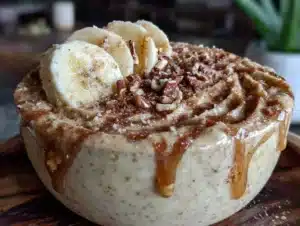
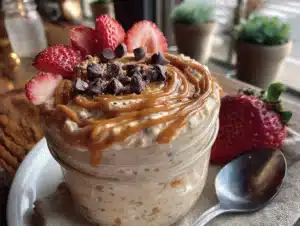
Love this? Save it for later!
Share the inspiration with your friends
This was supposed to be a green smoothie. I mean, I had the spinach out, the frozen banana was waiting, and I was ready to do my usual morning routine of blending something that looked like pond water but tasted vaguely of fruit. But the blender had other plans. It sputtered, coughed, and then just… stopped. The motor was dead, and I was standing there with half a bag of frozen spinach and a grumbling stomach.
I grabbed my trusty immersion blender out of pure desperation, dumped everything into a wide bowl instead of a tall cup, and realized the spinach was just going to get stuck. So I swapped it for peanut butter—because that’s what you do when plans fall apart, right? You reach for the peanut butter. I added a scoop of protein powder, some frozen banana slices, and a splash of almond milk. I blended it right there in the bowl, and let me tell you, the texture was nothing like I expected. It was thick, creamy, and honestly—better than any smoothie I’d ever made in that fancy blender.
Maybe you’ve been there, staring at a failed kitchen plan and wondering if breakfast is even worth it anymore. That morning, I learned something important: sometimes the best recipes come from the messiest moments. This peanut butter protein smoothie bowl wasn’t just a happy little accident—it became my go-to breakfast. No blender required, no fuss, and definitely no pond water color. Just pure, creamy, peanut buttery goodness that makes you forget you were ever stressed about a broken appliance.
Why You’ll Love This Recipe
I’ve tested this smoothie bowl more times than I care to admit. Some batches were too thin, some were too thick, and a few ended up tasting like straight-up peanut butter paste (which, honestly, wasn’t terrible). But after tweaking the ratios and experimenting with different frozen fruits, I landed on a version that hits every single note perfectly. Here’s why this one stands out from the endless sea of smoothie bowl recipes out there:
- Quick & Easy: Five minutes. That’s it. From “I’m hungry” to “I’m eating” in less time than it takes to decide what to watch on Netflix. Perfect for those mornings when your alarm didn’t go off, or when you just can’t adult yet.
- Simple Ingredients: No fancy superfood powders or exotic fruits that cost a small fortune. You probably have peanut butter, a banana, and some milk in your kitchen right now. The protein powder is optional, but it helps.
- Perfect for Busy Mornings: Whether you’re rushing to work, chasing kids, or just trying to get out the door, this bowl is your friend. It’s also great for post-workout refueling when you need something satisfying fast.
- Crowd-Pleaser: My picky nephew devours this. My health-conscious sister loves it. Even my dad, who swears smoothies are “not real food,” asked for seconds. It’s that good.
- Unbelievably Delicious: The texture is what gets me every time—thick enough to eat with a spoon, creamy enough to feel indulgent, but light enough to not weigh you down. It tastes like dessert for breakfast, but without the sugar crash.
What makes this recipe different from the dozens of other smoothie bowls out there? It’s the ratio of frozen banana to peanut butter to liquid. Most recipes use too much liquid, turning your bowl into soup. This one uses just enough to get the blender moving, resulting in a texture that’s almost like soft-serve ice cream. Plus, the protein powder adds staying power without making it taste chalky. I’ve tried at least ten different protein powders in this, and I’ll share my favorites later.
This isn’t just another smoothie bowl recipe—it’s the one I make when I need comfort food that doesn’t compromise on health. It’s the breakfast that makes you feel good about your choices, without making you feel like you’re missing out on something delicious.
What Ingredients You Will Need
This recipe uses simple, wholesome ingredients that come together to create something truly special. Most of these are pantry staples, which means you can whip up this bowl anytime the craving strikes without a special trip to the store.
- Frozen Banana, 1 large (about 120g): This is the backbone of your smoothie bowl. Freezing the banana is crucial—it gives the bowl that thick, creamy texture without needing ice. I always buy extra bananas when they’re on sale, let them get spotty, then peel and freeze them in a zip-top bag. Pro tip: slice them before freezing so they blend easier.
- Creamy Peanut Butter, 2 tablespoons (32g): The star of the show. I prefer natural peanut butter with no added sugar or oil—just peanuts and salt. My go-to brand is Smucker’s Natural because it has the perfect consistency. If your peanut butter is super thick and separated, give it a good stir before measuring. The oil separation is normal, but you want it well-mixed for the best texture.
- Vanilla Protein Powder, 1 scoop (about 30g): This adds protein and a subtle sweetness. I’ve tested this with Orgain Simple Vanilla and Ghost Whey Vanilla—both work beautifully. If you’re dairy-free, go for a plant-based protein. Just avoid anything with artificial sweeteners that leave a weird aftertaste. You can skip this entirely if you prefer, but the protein content will be lower.
- Unsweetened Almond Milk, ¼ cup (60ml): Just enough to get the blender moving. Start with less and add more if needed—you can always thin it out, but you can’t thicken it back up. Oat milk works great too and makes it even creamier. Regular dairy milk is fine if that’s what you have.
- Optional Add-ins:
- 1 tablespoon chia seeds or flax seeds (adds fiber and omega-3s)
- ½ teaspoon cinnamon (warmth and anti-inflammatory benefits)
- 1 tablespoon cocoa powder (chocolate peanut butter combo—need I say more?)
- Handful of spinach (you won’t taste it, I promise)
For the toppings, the possibilities are endless. I usually go with:
- Granola, 2 tablespoons: Adds crunch. I love Purely Elizabeth Ancient Grain Granola for its texture and subtle sweetness.
- Sliced Banana, ½: Fresh banana on top adds a nice contrast to the frozen base.
- Drizzle of Peanut Butter, 1 teaspoon: Because you can never have too much peanut butter.
- Dark Chocolate Chips, 1 tablespoon: Little bursts of richness that make this feel like dessert.
- Hemp Hearts, 1 teaspoon: Extra protein and a nutty flavor.
When selecting your banana, look for one that’s ripe with brown spots—that’s when it’s sweetest and blends most smoothly. Green bananas won’t give you the same creamy texture or natural sweetness. And if you’re like me and always forget to freeze bananas ahead of time, you can use a fresh banana plus a handful of ice cubes, but the texture won’t be quite as luxurious.
Equipment Needed
Here’s the beautiful thing about this recipe—you don’t need a fancy high-speed blender. In fact, you don’t even need a blender at all if you have an immersion blender. Here’s what you’ll need:
- Immersion Blender or Regular Blender: I use my KitchenAid Immersion Blender for this because it’s quick and easy to clean. A regular blender works too, but you might need to scrape down the sides more often. If you’re using a regular blender, go for a smaller one (like a personal blender) to avoid leaving too much stuck at the bottom.
- Wide Bowl: You need a bowl wide enough to fit the immersion blender head, or wide enough to eat from if you’re using a regular blender. I use a Fiestaware cereal bowl—it’s the perfect size and makes for pretty photos.
- Measuring Spoons and Cups: For accuracy, especially with the peanut butter. I’ve learned the hard way that eyeballing peanut butter leads to either too little flavor or too much stickiness.
- Spatula: A small silicone spatula is your best friend for scraping every last bit of smoothie goodness out of the bowl. Don’t waste a single drop.
If you don’t have an immersion blender, you can absolutely use a regular blender. Just make sure to stop and scrape down the sides a couple of times to ensure everything blends evenly. And if you’re really in a pinch, you can mash the frozen banana with a fork and stir everything together—it won’t be as smooth, but it’ll still taste amazing.
Preparation Method
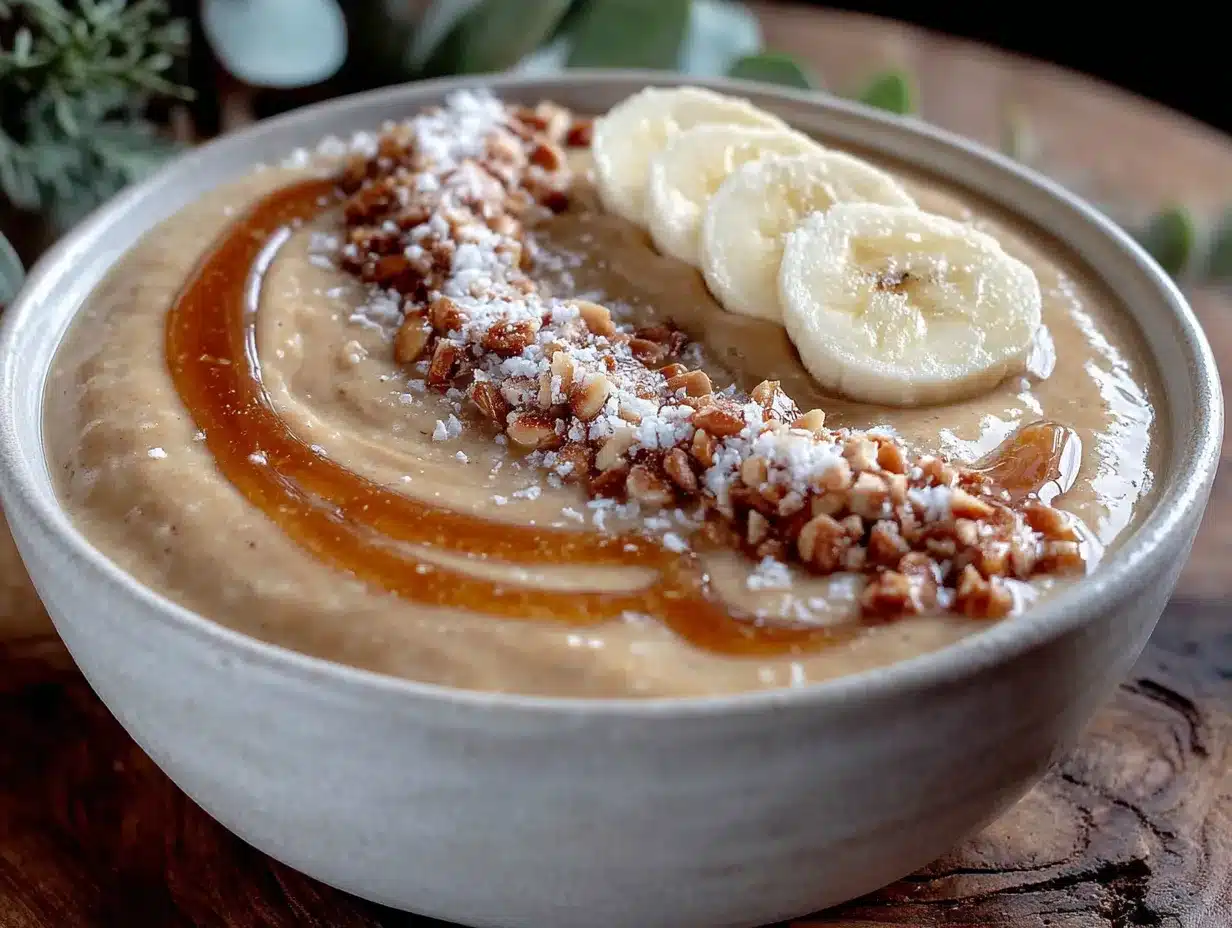
- Gather your ingredients (30 seconds): Take your frozen banana out of the freezer. Grab your peanut butter, protein powder, and almond milk. Set your toppings out so they’re ready to go. I like to have everything within arm’s reach—it makes the process feel effortless.
- Add the banana to your bowl (10 seconds): If you sliced your banana before freezing, great. If not, break it into a few chunks with your hands. This helps the blender grab it more easily. Place the frozen banana pieces in your bowl.
- Add the peanut butter (10 seconds): Scoop 2 tablespoons of peanut butter into the bowl. If your peanut butter is stiff, warm it in the microwave for 10 seconds to make it easier to blend. I’ve forgotten to do this before, and let me tell you, blending cold peanut butter is a workout.
- Add the protein powder (10 seconds): Scoop in your protein powder. If you’re using a scoop that’s not level, that’s fine—just try to keep it consistent. Too much protein powder can make the bowl dry and chalky, so start with a level scoop.
- Add the almond milk (10 seconds): Pour in ¼ cup of almond milk. Start with this amount—you can always add more if the mixture is too thick. I’ve made the mistake of adding too much liquid before, and suddenly I’m drinking a smoothie instead of eating a bowl. Not the end of the world, but not what we’re going for here.
- Blend until smooth (45-60 seconds): Insert your immersion blender into the bowl. Start at the bottom and slowly move upward in a circular motion. The mixture will be thick, so be patient. If it’s not moving, add another tablespoon of almond milk. If it’s too thin, add a few more frozen banana slices or a handful of ice. You’re looking for a consistency that’s thick enough to hold a spoon upright but soft enough to eat easily.
- Scrape and adjust (15 seconds): Use your spatula to scrape down the sides of the bowl. Give it a taste. Need more peanut butter? Add a teaspoon. Too sweet? Add a pinch of salt. This is your bowl—make it yours.
- Add your toppings (30 seconds): Now for the fun part. Sprinkle your granola over the top. Add your sliced banana, a drizzle of peanut butter, and any other toppings you love. I like to arrange mine in little sections so every bite has a different texture.
- Serve immediately (0 seconds): Smoothie bowls wait for no one. Eat it right away while it’s still thick and cold. If you let it sit too long, it will start to melt and lose that perfect spoonable texture.
Total time: about 3-4 minutes. Not quite 5, but I like to give myself a buffer for those mornings when I’m moving slowly. The beauty of this recipe is that it’s forgiving—if you mess up the liquid ratio, you can fix it. If you forget the protein powder, it’s still delicious. There’s no stress here, just breakfast.
Sensory cues to watch for: The mixture should look thick and glossy, almost like soft-serve ice cream. When you lift the immersion blender, the smoothie should slowly fold back into itself, not run off like liquid. The smell should be warm and nutty with a hint of vanilla. And the sound? That satisfying low hum of the blender working through the frozen banana—that’s the sound of a good morning.
Cooking Tips & Techniques
After making this smoothie bowl probably a hundred times (no exaggeration—I’m addicted), I’ve picked up a few tricks that make a real difference. Let me share them so you don’t have to learn the hard way like I did.
The Frozen Banana Trick: This is the single most important tip I can give you. Freeze your bananas when they’re ripe—like, spotty and sweet. Green bananas freeze into icy chunks that don’t blend smoothly and taste bland. I learned this the morning I had to eat a chunky, icy mess that tasted like cardboard. Never again. Slice them before freezing, and store them in a single layer on a baking sheet for an hour before transferring to a bag. This prevents them from clumping together into one giant banana iceberg.
Liquid Control: Start with less liquid than you think you need. I cannot stress this enough. You can always add more, but you can’t take it out. If you accidentally add too much, toss in a few ice cubes or another frozen banana chunk to thicken it back up. The perfect consistency should be thick enough that you can scoop it with a spoon and it holds its shape, but soft enough that you don’t feel like you’re eating frozen cement.
Protein Powder Placement: Add your protein powder after the banana and peanut butter have started blending. If you dump it in first, it can get stuck at the bottom and form a paste that never fully incorporates. I’ve had mornings where I thought I blended everything perfectly, only to find a clump of dry protein powder at the bottom. Not a great way to start the day.
Temperature Matters: If your peanut butter has been sitting in the fridge, it will be rock hard and won’t blend easily. Microwave it for 10-15 seconds before adding it to the bowl. This small step saves so much blending time and frustration. Trust me, I’ve burned out an immersion blender motor trying to blend cold peanut butter. Learn from my mistakes.
Multitasking Strategy: While your banana is blending, use that time to prep your toppings. Slice your fresh banana, measure your granola, and get everything ready. This way, the moment your smoothie is done, you can top it and eat it immediately. No waiting, no melting.
Variations & Adaptations
One of the best things about this smoothie bowl is how customizable it is. I’ve tried dozens of variations, and here are my favorites:
Chocolate Peanut Butter Dream: Add 1 tablespoon of unsweetened cocoa powder to the base along with the other ingredients. The chocolate and peanut butter combo is a classic for a reason. Top with cacao nibs and a few dark chocolate chips for extra richness. This version feels like a total indulgence, but it’s still packed with protein and healthy fats.
Berry Peanut Butter Twist: Swap half the frozen banana for frozen mixed berries. The tartness of the berries cuts through the richness of the peanut butter beautifully. I love using frozen raspberries or a berry blend. The color turns a gorgeous purple-pink, which makes for a pretty bowl. Top with fresh berries and a drizzle of honey if you like it sweeter.
Vegan & Dairy-Free: This recipe is already dairy-free if you use plant-based protein powder and almond milk. Just double-check your protein powder—some whey-based ones contain dairy. I like using Orgain Simple Vanilla Plant-Based Protein for a completely vegan version. The texture is slightly different but still delicious.
Low-Sugar Option: Skip the protein powder (many contain added sugar) and use unsweetened almond milk. Add a pinch of cinnamon and a few drops of stevia if you want extra sweetness without the sugar. The natural sweetness of a ripe frozen banana is usually enough for me, but everyone’s taste is different.
Nut-Free Alternative: Swap peanut butter for sunflower seed butter or tahini. Sunflower seed butter gives a similar creamy texture, though the flavor is a bit different. Tahini adds a savory, earthy note that pairs surprisingly well with banana. Top with pumpkin seeds instead of granola to keep it nut-free.
Extra Protein Boost: Add a tablespoon of hemp hearts or chia seeds to the base before blending. This bumps up the protein content without changing the flavor much. You can also use Greek yogurt instead of almond milk for a super creamy, protein-packed version—just be aware it won’t be dairy-free anymore.
Serving & Storage Suggestions
This smoothie bowl is best enjoyed immediately, while it’s still cold and thick. The texture changes as it sits, so I really recommend eating it right away. But I know life happens, so here are some tips for different scenarios.
Serving Temperature: Serve this bowl cold—straight from the blender. If you’ve let it sit while you got distracted by email or kids, give it a quick stir before eating. The toppings should be added right before serving to keep them crunchy. Nobody wants soggy granola.
Presentation Tips: I like to use a shallow, wide bowl for a nice surface area to arrange toppings. Create little sections: granola in one corner, sliced banana in another, a drizzle of peanut butter across the middle, and a sprinkle of hemp hearts over everything. It looks beautiful and ensures every bite has variety. A little extra peanut butter drizzle on top makes it look professional and indulgent.
What to Serve With It: This bowl is a complete meal on its own, but if you’re serving it for brunch, it pairs beautifully with a side of scrambled eggs or a slice of whole-grain toast. For a post-workout meal, add a hard-boiled egg on the side for extra protein. And if you’re feeling fancy, serve it with a small latte or a glass of cold brew coffee—the bitterness of the coffee contrasts nicely with the sweetness of the bowl.
Storage Instructions: If you somehow have leftovers (unlikely, but possible), transfer the smoothie bowl to an airtight container and store it in the refrigerator for up to 24 hours. The texture will thicken and become more like a pudding. To revive it, let it sit at room temperature for 10 minutes, then stir vigorously. You can also add a splash of almond milk and blend again briefly. I don’t recommend freezing the prepared bowl—the texture gets icy and weird.
Meal Prep Option: You can prep the ingredients ahead of time. Slice and freeze bananas in individual portions. Pre-measure peanut butter into small containers. Keep your protein powder and toppings ready. In the morning, just dump everything in a bowl and blend. It takes less than 2 minutes when everything is prepped. I do this on Sundays for the week ahead, and it’s a game-changer for busy mornings.
Nutritional Information & Benefits
This smoothie bowl is packed with nutrients that make it a smart choice for breakfast or post-workout fuel. Here’s a breakdown of what you’re getting in one serving (using the base recipe without optional add-ins):
| Nutrient | Amount Per Serving |
|---|---|
| Calories | 385 |
| Protein | 28g |
| Carbohydrates | 38g |
| Fiber | 7g |
| Sugar | 18g (natural from banana) |
| Fat | 16g |
| Saturated Fat | 3g |
| Sodium | 180mg |
Health Benefits: The peanut butter provides healthy monounsaturated fats and protein that keep you full and satisfied. Bananas are rich in potassium, which supports heart health and muscle function. The protein powder adds an extra boost for muscle repair and recovery, making this an excellent post-workout meal. If you add chia seeds, you’ll get a dose of omega-3 fatty acids and additional fiber for digestive health.
Dietary Considerations: This recipe is naturally gluten-free and can be made vegan and dairy-free with simple swaps. It’s also nut-free if you use sunflower seed butter. The main allergens to watch for are peanuts (obviously) and dairy (if using whey protein). Always check your protein powder labels for hidden allergens.
My Wellness Perspective: I love that this bowl feels indulgent while actually being nutritious. It’s not about deprivation—it’s about giving your body fuel that tastes amazing. When I eat this for breakfast, I feel energized and satisfied until lunch. No mid-morning crashes, no cravings for sugary snacks. It’s the kind of meal that makes you feel good about your choices without making you feel like you’re missing out.
Conclusion
This peanut butter protein smoothie bowl started as a kitchen disaster, but it’s become one of my most reliable recipes. It’s proof that you don’t need fancy equipment or exotic ingredients to make something truly delicious. All you need is a frozen banana, some peanut butter, and a little bit of faith that things will work out—even when they don’t go according to plan.
I love this recipe because it’s forgiving. You can tweak it, adjust it, and make it your own without worrying about messing it up. It’s the kind of breakfast that makes mornings feel less chaotic, even when everything else is going wrong. And honestly, that’s worth more than any fancy blender could ever offer.
I’d love to hear how your smoothie bowl turns out! Did you add something unexpected? Did you try a variation I didn’t mention? Drop a comment below and share your creation. Tag me in your photos on social media—I’m always looking for new topping combinations to try. And if you loved this recipe, share it with a friend who needs a quick, healthy breakfast idea. Happy blending!
Frequently Asked Questions
Can I make this smoothie bowl without a blender?
Yes! If you don’t have a blender, you can mash the frozen banana with a fork until it’s smooth, then stir in the peanut butter, protein powder, and almond milk. The texture won’t be as creamy, but it will still taste great. It’s more like a pudding than a smoothie bowl, but I’ve done it in a pinch and it works.
Can I use fresh banana instead of frozen?
You can, but the texture will be significantly different. Fresh banana will make the bowl thinner and more like a regular smoothie. To compensate, add a handful of ice cubes to thicken it up. The frozen banana is really what gives this recipe its thick, spoonable texture, so I highly recommend freezing your bananas ahead of time.
How can I make this smoothie bowl higher in protein?
Add an extra scoop of protein powder, or stir in a tablespoon of hemp hearts or chia seeds. You can also use Greek yogurt instead of almond milk for a protein boost—just keep in mind that it won’t be dairy-free anymore. I’ve also added a scoop of collagen peptides for extra protein without changing the flavor.
Is this smoothie bowl suitable for meal prep?
Yes, but with some caveats. You can prep the ingredients ahead of time—freeze individual portions of banana, pre-measure peanut butter, and portion out your protein powder. The actual blended bowl is best eaten fresh, but you can store it in the fridge for up to 24 hours. Just give it a good stir before eating, and add fresh toppings right before serving.
Can I use a different nut butter instead of peanut butter?
Absolutely! Almond butter, cashew butter, and sunflower seed butter all work beautifully. Each one will give the bowl a slightly different flavor profile. Almond butter is milder, cashew butter is creamier, and sunflower seed butter has a distinct earthy taste. Just make sure your nut butter is well-stirred for the best texture.
Pin This Recipe!
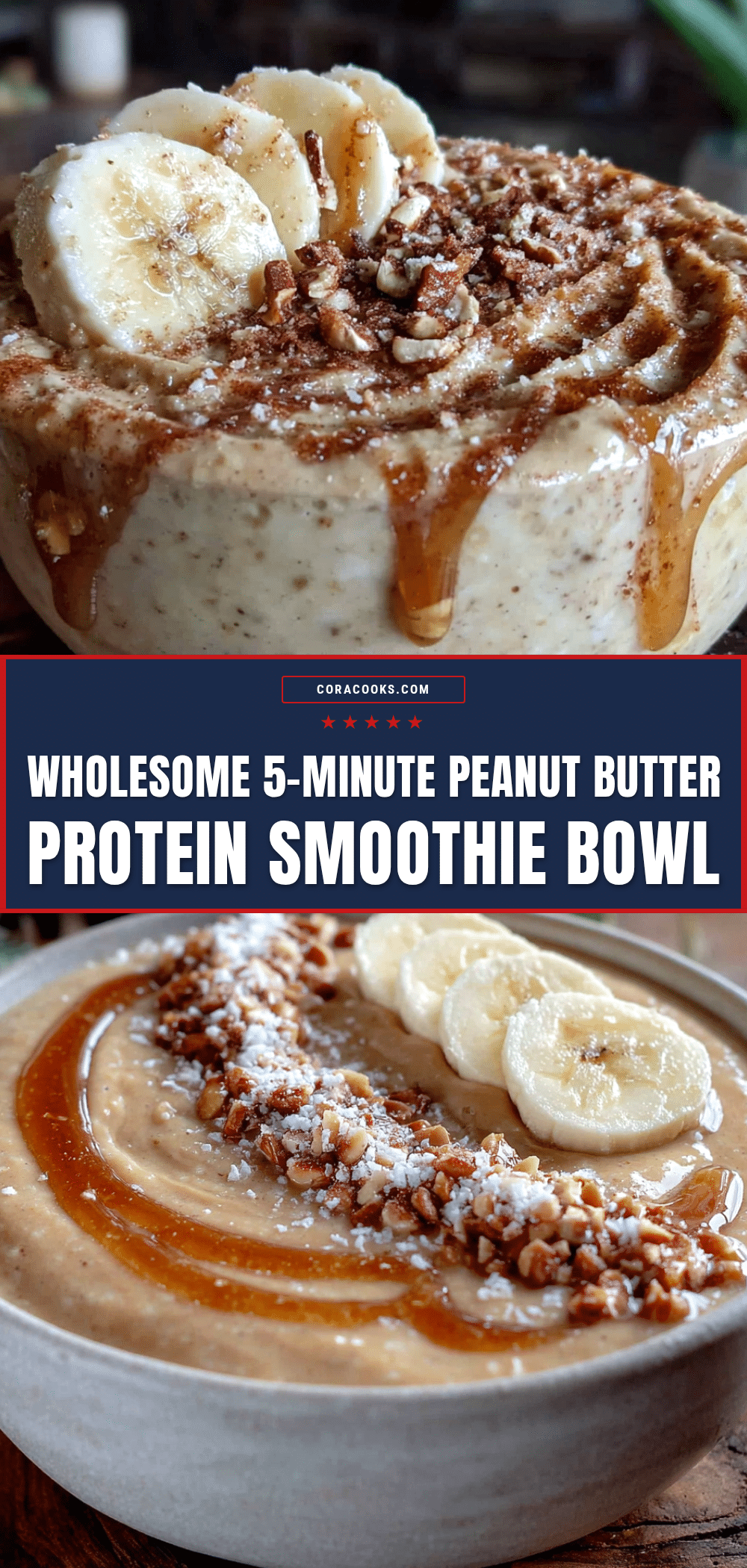
Wholesome 5-Minute Peanut Butter Protein Smoothie Bowl
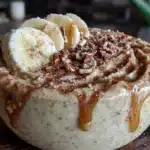
A quick and easy peanut butter protein smoothie bowl made with frozen banana, peanut butter, and protein powder. Thick, creamy, and perfect for busy mornings or post-workout refueling.
- Prep Time: 5 minutes
- Cook Time: 0 minutes
- Total Time: 5 minutes
- Yield: 1 serving 1x
- Category: Breakfast
- Cuisine: American
Ingredients
- 1 large frozen banana (about 120g)
- 2 tablespoons creamy peanut butter (32g)
- 1 scoop vanilla protein powder (about 30g)
- 1/4 cup unsweetened almond milk (60ml)
- Optional add-ins: 1 tablespoon chia seeds or flax seeds, 1/2 teaspoon cinnamon, 1 tablespoon cocoa powder, handful of spinach
- For toppings: 2 tablespoons granola, 1/2 sliced banana, 1 teaspoon peanut butter drizzle, 1 tablespoon dark chocolate chips, 1 teaspoon hemp hearts
Instructions
- Gather your ingredients: Take your frozen banana out of the freezer. Grab your peanut butter, protein powder, and almond milk. Set your toppings out so they’re ready to go.
- Add the banana to your bowl: If you sliced your banana before freezing, great. If not, break it into a few chunks with your hands. Place the frozen banana pieces in your bowl.
- Add the peanut butter: Scoop 2 tablespoons of peanut butter into the bowl. If your peanut butter is stiff, warm it in the microwave for 10 seconds to make it easier to blend.
- Add the protein powder: Scoop in your protein powder. Try to keep it consistent—too much can make the bowl dry and chalky.
- Add the almond milk: Pour in 1/4 cup of almond milk. Start with this amount—you can always add more if the mixture is too thick.
- Blend until smooth: Insert your immersion blender into the bowl. Start at the bottom and slowly move upward in a circular motion. The mixture will be thick, so be patient. If it’s not moving, add another tablespoon of almond milk. If it’s too thin, add a few more frozen banana slices or a handful of ice.
- Scrape and adjust: Use your spatula to scrape down the sides of the bowl. Give it a taste. Need more peanut butter? Add a teaspoon. Too sweet? Add a pinch of salt.
- Add your toppings: Sprinkle your granola over the top. Add your sliced banana, a drizzle of peanut butter, and any other toppings you love.
- Serve immediately: Smoothie bowls wait for no one. Eat it right away while it’s still thick and cold.
Notes
Freeze bananas when ripe for best texture. Start with less liquid and add more as needed. Add protein powder after banana and peanut butter have started blending to avoid clumps. If peanut butter is cold, microwave for 10-15 seconds before adding. Prep ingredients ahead for a 2-minute morning routine.
Nutrition
- Serving Size: 1 bowl
- Calories: 385
- Sugar: 18
- Sodium: 180
- Fat: 16
- Saturated Fat: 3
- Carbohydrates: 38
- Fiber: 7
- Protein: 28
Keywords: peanut butter smoothie bowl, protein smoothie bowl, healthy breakfast, quick breakfast, post-workout meal, gluten-free, dairy-free option