Love this? Save it for later!
Share the inspiration with your friends
“You won’t believe this pasta dough doesn’t have gluten,” my friend Mark said the first time he tried it at my kitchen table. Honestly, I wasn’t expecting much either. I had been fiddling with gluten-free pasta recipes for weeks, trying to find something that tasted good but didn’t fall apart the second it hit boiling water. My kitchen looked like a flour bomb exploded more times than I care to admit—rice flour dust everywhere, a cracked mixing bowl, and a timer that went off… well, late enough to make me question my sanity.
This recipe actually came from a late-night craving episode, when I didn’t have any traditional wheat flour and had to improvise with rice flour I found buried in the back of my pantry. I figured, why not give it a try? The result was surprisingly pliable dough that rolled out smoothly and cooked up into tender, delicious pasta that didn’t feel like cardboard or glue. Maybe you’ve been there too—staring at shelves of gluten-free options, unsure if anything will really work for homemade pasta.
Since then, this easy gluten-free pasta dough with rice flour has become my go-to whenever I want fresh pasta but need to keep things wheat-free. It’s simple, forgiving, and honestly, it tastes so good that even gluten lovers have asked for seconds. Let me tell you, there’s something special about homemade pasta that holds its own without gluten’s stretchiness. If you’re ready to try a pasta dough recipe that’s easy, reliable, and uses rice flour, you’re in the right place.
Why You’ll Love This Recipe
This easy gluten-free pasta dough with rice flour isn’t just a quick fix—it’s a game changer for anyone who’s struggled with making homemade pasta gluten-free. I’ve tested it over and over, tweaking until I got the texture just right.
- Quick & Easy: Comes together in under 20 minutes, perfect for busy weeknights or unexpected dinner plans.
- Simple Ingredients: Uses pantry staples like rice flour and eggs—you probably already have everything on hand.
- Perfect for Gluten-Free Diets: Great for anyone avoiding gluten but craving fresh pasta’s comfort and taste.
- Crowd-Pleaser: Friends and family are always surprised at how tender and flavorful this pasta is.
- Unbelievably Delicious: The rice flour base gives a delicate texture that pairs beautifully with any sauce.
What makes this recipe stand out? It’s the balance of rice flour with just the right amount of moisture and egg, creating dough that’s easy to roll and cut without crumbling. No fancy additives or hard-to-find ingredients here—just a straightforward method that works. Plus, this recipe respects tradition but adapts for dietary needs without sacrificing flavor. I keep coming back to it because, honestly, it nails that homemade pasta feeling every time.
What Ingredients You Will Need
This recipe uses simple, wholesome ingredients to deliver a tender, satisfying pasta dough without the fuss. All are easy to find and versatile enough to swap if needed.
- Rice Flour (2 cups / 240g): The foundation of the dough. I prefer Bob’s Red Mill for consistent texture, but any finely ground rice flour works.
- Tapioca Starch (1/2 cup / 60g): Adds elasticity and stretch to the dough, helping it hold together better.
- Salt (1/2 tsp): Enhances flavor.
- Large Eggs (2, room temperature): Binds the dough and adds richness.
- Olive Oil (1 tbsp): Keeps the dough smooth and easier to work with.
- Water (2-3 tbsp): Added as needed to adjust dough consistency (use filtered or tap water).
If you want a dairy-free option, you can swap eggs for a flax egg (1 tbsp flaxseed meal mixed with 3 tbsp water, set for 5 minutes), but results may vary slightly. For gluten-free baking beginners, this combination is forgiving and doesn’t require special flours like almond or coconut, which can be tricky.
Equipment Needed
- Mixing Bowl: A medium-large bowl to combine ingredients. I use a ceramic bowl because it’s sturdy, but glass or stainless steel works fine.
- Rolling Pin: Essential for rolling out the dough evenly. If you don’t have one, a clean wine bottle can do the trick in a pinch.
- Pasta Cutter or Sharp Knife: To slice your dough into fettuccine, tagliatelle, or any shape you like.
- Plastic Wrap or Kitchen Towel: For resting the dough to prevent drying out.
- Large Pot: For boiling pasta. Big enough to let the pasta cook without sticking.
For a budget-friendly setup, you don’t need a fancy pasta machine. Rolling by hand works just fine, especially with this dough. Just keep your workspace lightly floured with rice flour to avoid sticking. If you have a pasta drying rack, that’s a bonus, but a clean chair back or baking sheet works too.
Preparation Method
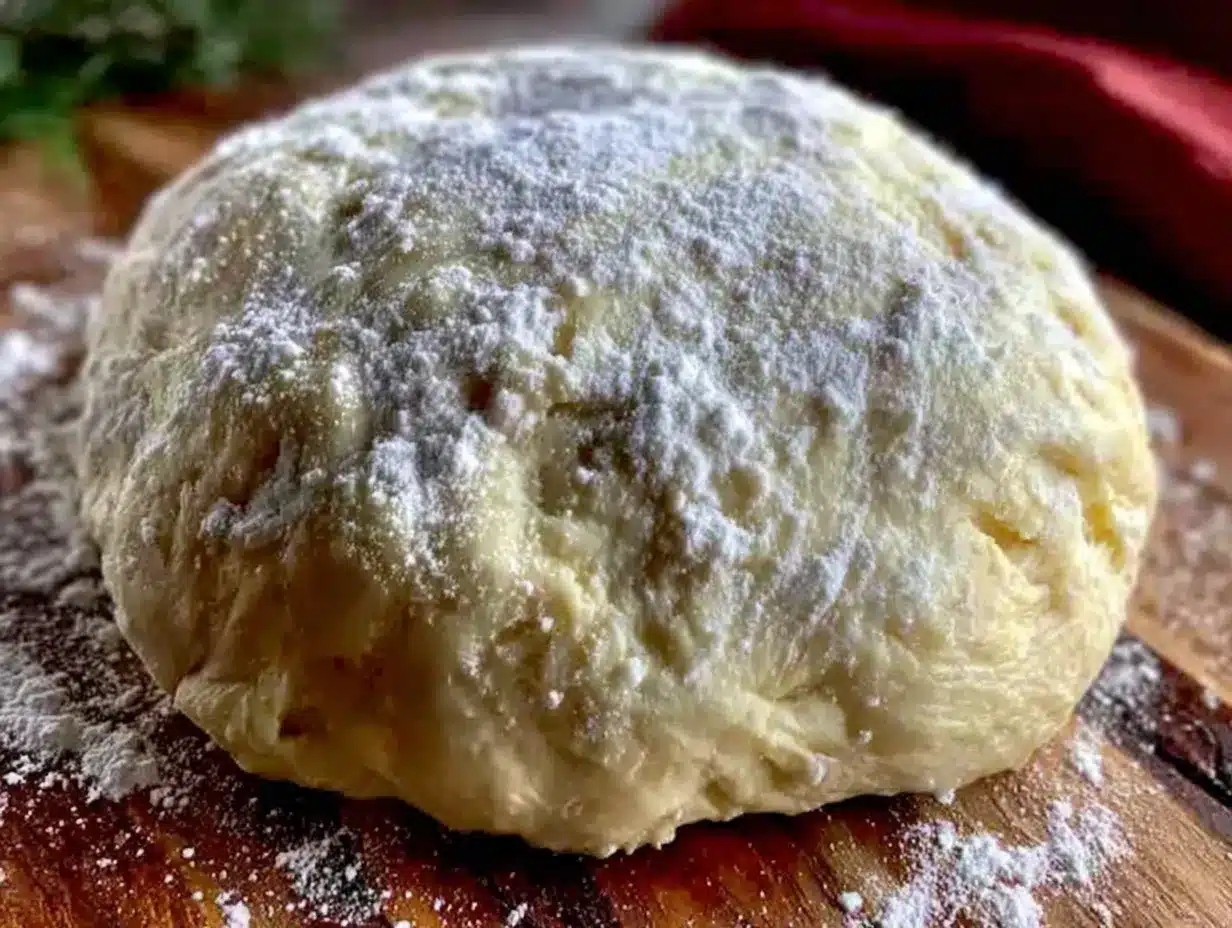
- Mix the Dry Ingredients (5 minutes): In your mixing bowl, whisk together 2 cups (240g) rice flour, 1/2 cup (60g) tapioca starch, and 1/2 teaspoon salt until evenly combined. This helps distribute the starch and salt uniformly.
- Add Wet Ingredients (5 minutes): Make a well in the center of your dry mixture. Crack in 2 large eggs (room temperature) and pour 1 tablespoon olive oil. Begin mixing gently with a fork, gradually drawing in the dry flour from the edges.
- Incorporate Water (2-3 tablespoons) as Needed: The dough should start coming together but might feel crumbly. Add water one tablespoon at a time until the dough is soft but not sticky. This usually takes about 2-3 tablespoons. Be careful not to add too much water or the dough will be too wet.
- Knead the Dough (7-10 minutes): Transfer the dough to a lightly floured surface dusted with rice flour. Knead gently by hand for about 7 to 10 minutes. The dough should become smooth and elastic, though it won’t have the same stretch as wheat-based dough. If it feels dry, sprinkle a little more rice flour; if sticky, add a tiny bit of water.
- Rest the Dough (30 minutes): Wrap the dough tightly in plastic wrap or cover it with a damp kitchen towel. Let it rest at room temperature for at least 30 minutes. This resting step allows the starches to hydrate fully, making rolling easier.
- Roll Out the Dough: Divide the dough into 2 equal portions to make handling easier. On a floured surface, use your rolling pin to roll each portion into a thin sheet, about 1/8 inch (3mm) thick. The dough should feel pliable but firm enough to hold together without tearing.
- Cut Into Desired Shapes: Use a sharp knife or pasta cutter to slice the dough into noodles like fettuccine or pappardelle. Alternatively, cut into squares for ravioli or strips for tagliatelle. Dust the cut pasta lightly with rice flour to prevent sticking.
- Cook Your Pasta: Bring a large pot of salted water to a rolling boil. Drop in the pasta and cook for 2-4 minutes until tender but still firm to the bite. Fresh gluten-free pasta cooks faster than dried, so keep a close eye on it. Drain and serve immediately with your favorite sauce.
Pro tip: If your dough tears while rolling, don’t panic! Just press the tear back together with a little moisture and flour. The dough is forgiving if you handle it gently.
Cooking Tips & Techniques
Working with gluten-free pasta dough can be a bit intimidating, but here are some tips I’ve learned the hard way:
- Keep your surface lightly floured: Rice flour is your best friend to prevent sticking without drying out the dough.
- Don’t overwork the dough: Too much kneading can make it crumbly. Aim for smooth and just elastic.
- Resting is crucial: The 30-minute rest helps hydrate the starches and makes rolling easier.
- Roll thinner than you think: Gluten-free dough can feel thicker but rolls out nicely when rested and floured well.
- Cook fresh pasta in plenty of boiling water: Stir gently to avoid clumping and cook for a short time to prevent mushiness.
- Don’t skip the olive oil: It adds moisture and helps the dough hold together.
- Use a sharp knife: Clean cuts prevent ragged edges, which can cause pasta to fall apart.
One time, I forgot to rest the dough and tried rolling immediately. The dough cracked and was a nightmare to handle. Lesson learned! Patience here really pays off. Also, multitasking by prepping your sauce during the dough rest time saves precious minutes.
Variations & Adaptations
This easy gluten-free pasta dough with rice flour is pretty versatile. Here are a few ideas to make it your own:
- Herb-Infused Dough: Add 1 tablespoon finely chopped fresh basil or parsley to the dry ingredients for a fragrant twist.
- Spinach Pasta: Blend 1/4 cup cooked spinach with the eggs before mixing for a vibrant green dough packed with nutrients.
- Dairy-Free Adjustment: Replace eggs with flax eggs (1 tbsp flaxseed meal + 3 tbsp water per egg) for a vegan-friendly version, but expect a slightly different texture.
- Alternative Flours: Swap tapioca starch for arrowroot powder if preferred; both offer elasticity.
- Stuffed Pasta: Roll dough thinner and stuff with your favorite fillings to make gluten-free ravioli.
I once tried adding turmeric powder for color and a subtle earthiness—turned out surprisingly tasty and made for some eye-catching pasta on the plate!
Serving & Storage Suggestions
Serve this fresh gluten-free pasta hot, right after cooking, tossed with olive oil or your favorite sauce. It pairs wonderfully with simple tomato sauces, garlic and herb butter, or creamy Alfredo. A sprinkle of freshly grated Parmesan or nutritional yeast adds a nice finishing touch.
Leftover cooked pasta can be stored in an airtight container in the refrigerator for up to 3 days. Reheat gently in a pan with a splash of water or sauce to avoid drying out. You can also freeze uncooked pasta by laying it flat on a baking sheet dusted with rice flour, freezing until solid, then transferring to a sealed bag. Cook from frozen, adding a minute or two to the boiling time.
Flavors often deepen after resting, especially if tossed with sauce and refrigerated overnight. Just be gentle when reheating to keep that tender texture intact.
Nutritional Information & Benefits
This gluten-free pasta dough made with rice flour offers a light, easily digestible alternative to traditional wheat pasta. Rice flour is naturally gluten-free and low in fat, making it suitable for those with gluten sensitivities or celiac disease.
Large eggs contribute protein and essential amino acids, while olive oil adds heart-healthy fats. This recipe is free from dairy and nuts, accommodating many dietary restrictions.
Because it’s homemade, you avoid preservatives and additives often found in store-bought gluten-free pasta. Plus, you control the ingredients and portions, which supports healthier eating habits.
Conclusion
This easy gluten-free pasta dough with rice flour has become a kitchen staple for me because it strikes the perfect balance of simplicity, taste, and texture. It’s proof that you don’t need wheat to enjoy fresh, homemade pasta that feels comforting and special.
Give it a try, and don’t hesitate to tweak it to your liking—maybe adding your favorite herbs or shaping it into fun forms. I’d love to hear how your pasta turns out or any creative spins you put on this recipe. Drop a comment or share your photos!
Making pasta from scratch might seem intimidating, but with this recipe, it’s actually pretty straightforward—and so rewarding. Now, who’s ready to roll some dough?
Frequently Asked Questions
Can I use other gluten-free flours instead of rice flour?
Yes, you can try sorghum or millet flour, but the texture will vary. Rice flour gives a neutral flavor and smooth texture that works best here.
How do I prevent the pasta from sticking together after cooking?
Stir gently during cooking and toss the drained pasta with a little olive oil or sauce immediately to keep strands separate.
Can I prepare this dough ahead of time?
Absolutely! The dough can be wrapped tightly and refrigerated for up to 24 hours before rolling and cutting.
Is tapioca starch necessary? What if I leave it out?
Tapioca starch adds elasticity and chewiness. Without it, the dough may be crumbly and harder to work with.
How long does fresh gluten-free pasta take to cook?
Fresh gluten-free pasta usually cooks in 2-4 minutes in boiling water. Keep an eye on it to avoid overcooking.
Pin This Recipe!
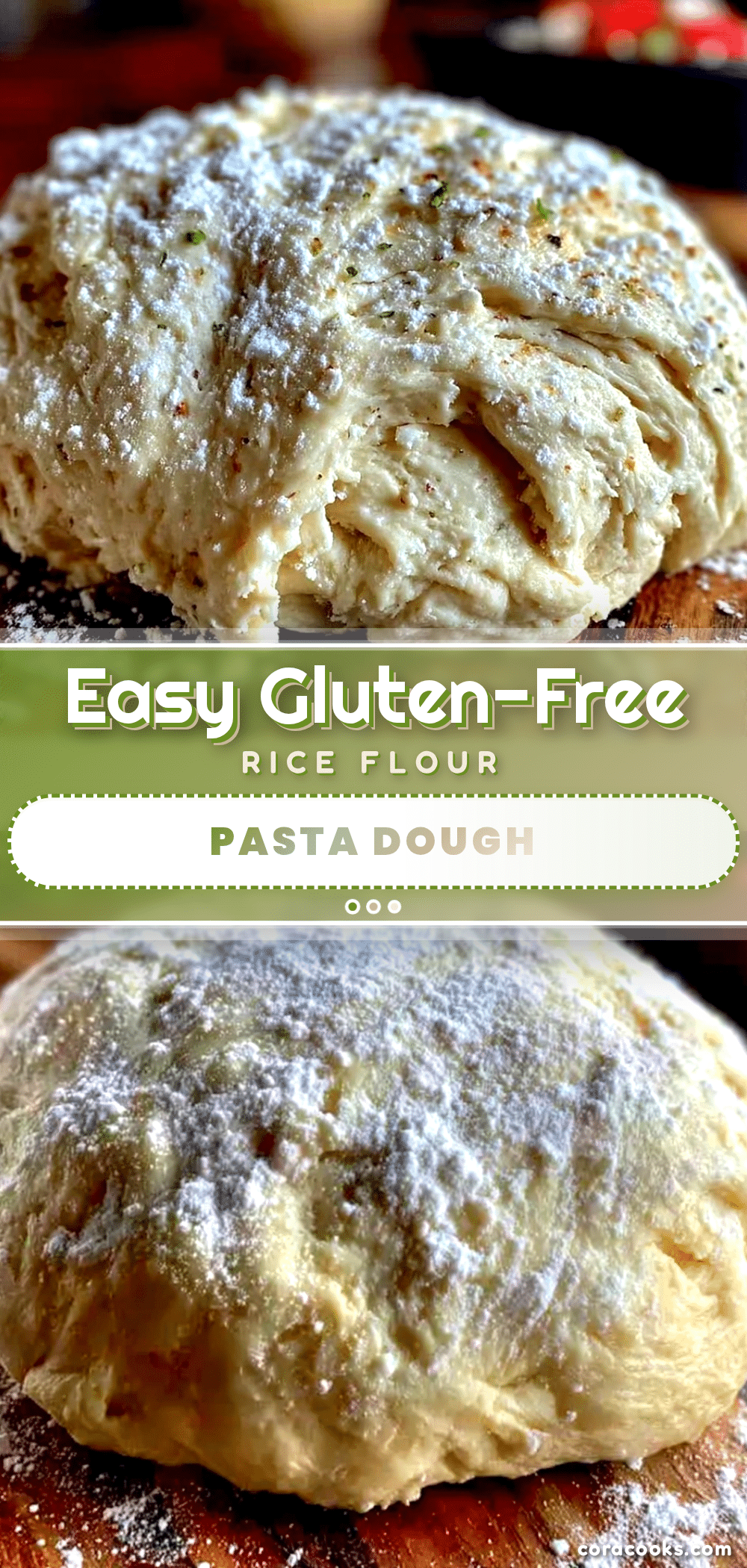
Easy Gluten-Free Pasta Dough with Rice Flour
A simple and reliable gluten-free pasta dough recipe using rice flour that yields tender, delicious homemade pasta perfect for gluten-free diets.
- Prep Time: 15 minutes
- Cook Time: 4 minutes
- Total Time: 49 minutes
- Yield: 4 servings 1x
- Category: Main Course
- Cuisine: Italian
Ingredients
- 2 cups (240g) rice flour
- 1/2 cup (60g) tapioca starch
- 1/2 teaspoon salt
- 2 large eggs, room temperature
- 1 tablespoon olive oil
- 2–3 tablespoons water (filtered or tap), as needed
Instructions
- Mix the dry ingredients: In a mixing bowl, whisk together rice flour, tapioca starch, and salt until evenly combined.
- Add wet ingredients: Make a well in the center of the dry mixture. Crack in the eggs and pour in olive oil. Mix gently with a fork, gradually incorporating the dry ingredients.
- Add water as needed: Add 2-3 tablespoons of water one tablespoon at a time until the dough is soft but not sticky.
- Knead the dough: Transfer dough to a lightly floured surface and knead gently for 7-10 minutes until smooth and elastic.
- Rest the dough: Wrap dough in plastic wrap or cover with a damp towel and let rest at room temperature for at least 30 minutes.
- Roll out the dough: Divide dough into two portions and roll each into a thin sheet about 1/8 inch (3mm) thick on a floured surface.
- Cut into desired shapes: Use a sharp knife or pasta cutter to slice into noodles or shapes. Dust with rice flour to prevent sticking.
- Cook the pasta: Boil a large pot of salted water. Cook pasta for 2-4 minutes until tender but firm to the bite. Drain and serve immediately.
Notes
Keep your surface lightly floured with rice flour to prevent sticking. Don’t over-knead the dough to avoid crumbliness. Resting the dough for 30 minutes is crucial for hydration and easier rolling. If dough tears, press it back together with moisture and flour. Fresh gluten-free pasta cooks quickly; watch closely to avoid overcooking.
Nutrition
- Serving Size: 1 serving (approxima
- Calories: 280
- Sugar: 1
- Sodium: 150
- Fat: 10
- Saturated Fat: 1.5
- Carbohydrates: 38
- Fiber: 1
- Protein: 7
Keywords: gluten-free pasta, rice flour pasta, homemade pasta, gluten-free dough, easy pasta recipe, tapioca starch pasta