Love this? Save it for later!
Share the inspiration with your friends
Introduction
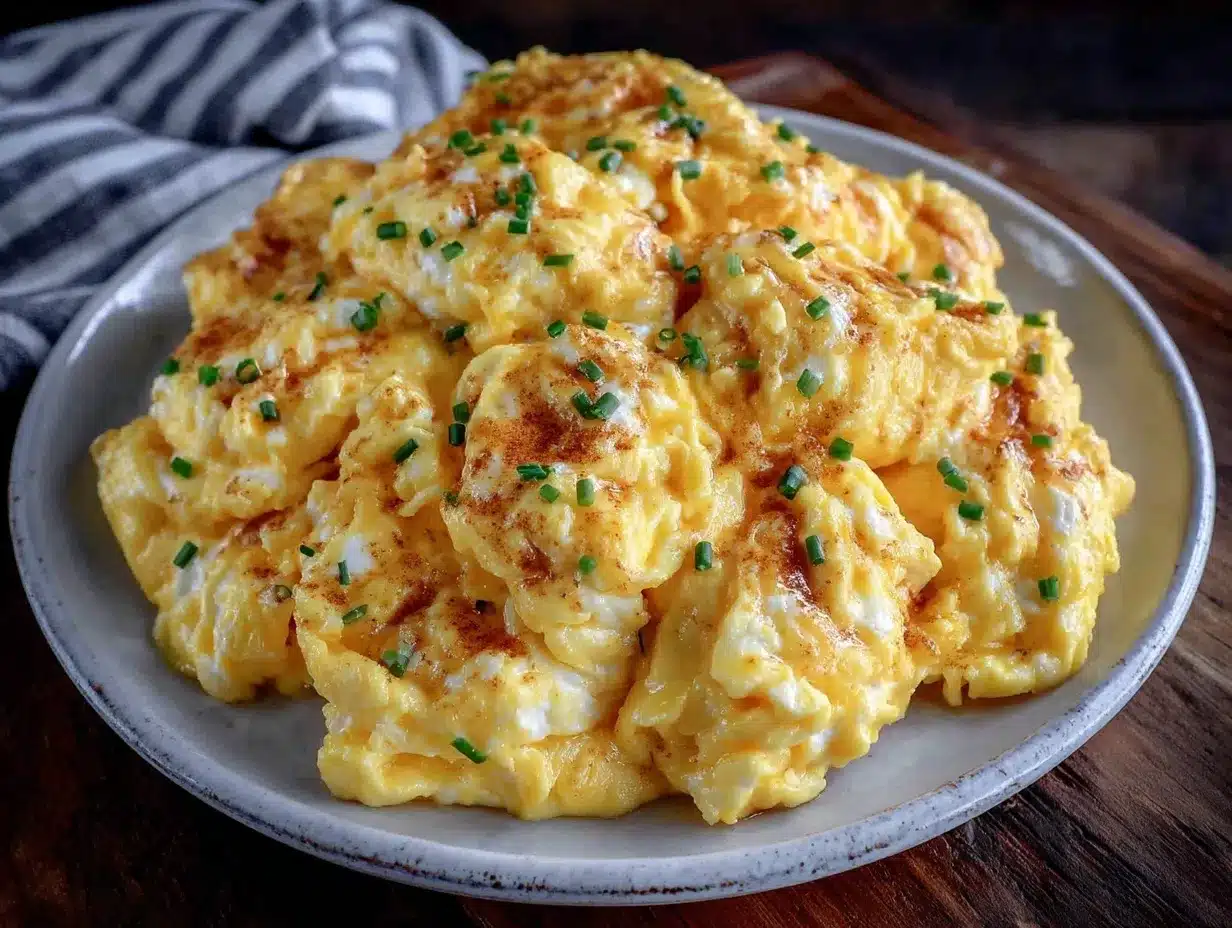
“You’d think scrambled eggs are foolproof, right?” my friend Jenna said last weekend as we sipped coffee in her sunlit kitchen. Honestly, I’d always taken scrambled eggs for granted—until I saw her scramble a batch that looked like clouds on a plate. She wasn’t a chef, just someone who’d spent years tweaking this humble breakfast. It wasn’t the usual “throw eggs in pan” routine; there was a rhythm, a secret simplicity that made those eggs fluffier than I’d ever managed.
That morning, I watched closely as she cracked eggs into a bowl, whisked gently but thoroughly, and cooked them low and slow with a splash of cream. I even caught her forgetting to set the timer once, which made me smile because, hey, nobody’s perfect. But those little imperfect moments made the eggs all the more inviting. Maybe you’ve had mornings when your scrambled eggs were either rubbery or watery, and you just wanted a quick fix. Well, this recipe came from exactly that kind of discovery—simple, forgiving, and always fluffy.
Let me tell you, since that day, these scrambled eggs have become my go-to, whether it’s a rushed weekday breakfast or a lazy Sunday brunch. You’ll find yourself closing your eyes at the first bite, savoring that buttery softness. I promise, this isn’t just another scrambled egg recipe—it’s your next kitchen win.
Why You’ll Love This Recipe
After testing countless scrambled egg techniques, this easy 3-step method stands out for a bunch of reasons. It’s honest cooking that anyone can master—whether you’re a beginner or just want reliable results every time. I’ve taken the guesswork out, so you get fluffy, tender eggs without fuss.
- Quick & Easy: Ready in under 10 minutes, perfect for busy mornings or last-minute brunch guests.
- Simple Ingredients: No fancy pantry items needed; just eggs, butter, and a touch of cream or milk.
- Perfect for Any Occasion: Whether it’s a weekday breakfast or a cozy weekend spread, these eggs fit right in.
- Crowd-Pleaser: Kids, adults, even picky eaters tend to love the soft, fluffy texture.
- Unbelievably Delicious: The rich, creamy mouthfeel combined with gentle seasoning makes it comfort food at its best.
What makes this recipe different? It’s the low and slow cooking combined with constant gentle stirring—plus a little cream that makes all the difference in moisture and silkiness. I’ve tried adding herbs and cheese, but honestly, the simplicity here is what wins every time. You can tweak it, sure, but stick to this method once, and you’ll see why I keep coming back.
What Ingredients You Will Need
This recipe uses simple, wholesome ingredients to bring out the best in scrambled eggs—creamy, fluffy, and perfectly cooked without any guesswork. You likely already have these in your kitchen, and they don’t require any fancy brands or special trips.
- Large eggs (4 eggs; room temperature is best for even cooking)
- Unsalted butter (1 tablespoon; adds richness and prevents sticking; I like Plugrá for its creaminess)
- Heavy cream or whole milk (2 tablespoons; cream gives extra silkiness, milk is a lighter alternative)
- Salt (a pinch; use kosher or sea salt for better flavor control)
- Freshly ground black pepper (optional; adds subtle heat and depth)
Substitution tips: If you need a dairy-free option, swap butter for olive oil or a plant-based spread, and use unsweetened almond or oat milk instead of cream. For fluffier eggs, some prefer adding a teaspoon of water instead of cream, though cream is my personal favorite for that extra smooth texture.
If you want to try a twist, a sprinkle of finely chopped chives or a bit of shredded sharp cheddar works wonders without complicating the base recipe.
Equipment Needed
You won’t need a fancy kitchen setup for the fluffiest scrambled eggs ever, but here’s what comes in handy:
- Nonstick skillet (8-inch or 10-inch recommended for even heat and easy stirring)
- Heat-resistant silicone spatula (for gentle, constant stirring without scratching your pan)
- Mixing bowl (medium size, for whisking eggs)
- Whisk or fork (a whisk is best to aerate the eggs but a fork works fine too)
- Measuring spoons (to get your butter and cream just right)
If you don’t have a nonstick pan, a well-seasoned cast iron skillet works too, though you’ll need to be extra careful with the heat. I’ve used both, and honestly, the nonstick pan keeps cleanup easier and prevents sticking mishaps that can ruin the texture.
For budget-friendly options, silicone spatulas and nonstick pans from brands like OXO or T-fal offer great value and last well with proper care—just hand wash and avoid overheating.
Preparation Method
- Crack and whisk the eggs: Crack 4 large eggs into a medium mixing bowl. Add 2 tablespoons of heavy cream (or milk if preferred) and a pinch of salt. Whisk vigorously for about 30 seconds until the mixture is uniform and slightly frothy. This helps add air, making the eggs lighter. (Pro tip: Whisking well is key to that fluffy texture.)
- Heat the pan and melt butter: Place your nonstick skillet over low heat. Add 1 tablespoon of unsalted butter and let it melt gently. You want the pan warm—not hot—so the eggs cook slowly. The butter should foam but not brown. If you see it browning, lower the heat immediately to avoid crispy bits in your eggs.
- Cook the eggs slowly with constant stirring: Pour the whisked eggs into the skillet. Using a silicone spatula, stir gently but continuously, scraping the bottom and sides of the pan. Keep the heat low so the eggs fold softly without drying out. After about 4-5 minutes, when the eggs are mostly set but still slightly runny, remove the pan from heat. The residual warmth will finish cooking them perfectly. Season with freshly ground black pepper if desired, then serve immediately.
Timing notes: The entire cooking step takes around 5-7 minutes. Patience here is your best friend—high heat cooks eggs too fast, resulting in rubberiness, and no one wants that.
Troubleshooting: If your eggs start to look watery, just keep stirring gently and lower the heat. If they cook too fast and dry out, add a tiny splash of cream or milk while stirring to bring back moisture.
One time, I got distracted by a ringing phone mid-cook and almost burned the batch. Luckily, the low heat saved me, and the eggs still turned out fluffy. So yeah, slow and steady wins every time!
Cooking Tips & Techniques
Mastering scrambled eggs is all about control and gentle handling.
- Low and slow is the mantra: High heat makes eggs tough and dry quickly. Keep your pan on low heat and be patient.
- Constant gentle stirring: This breaks eggs into soft curds and prevents overcooking. Use a silicone spatula to scrape the pan’s edges smoothly.
- Whisk well before cooking: Aerating the eggs adds volume and fluffiness. I sometimes whisk the eggs in a blender for a few seconds when in a rush—works wonders.
- Don’t overcook: Remove the eggs from heat when they’re still slightly runny. They’ll finish cooking off the stove, staying soft and creamy.
- Butter adds flavor and texture: Don’t skimp on it. Butter helps coat the eggs and adds richness.
Common mistake? Cooking eggs too fast or failing to stir enough. I’ve burned more eggs than I want to admit before learning to keep a gentle hand. Also, resist the urge to add salt too early—it can break down the eggs and make them watery. Season at the end for the best texture.
Variations & Adaptations
This simple scrambled eggs recipe is a perfect base for customization. Here are some easy ways to make it your own:
- Herb infusion: Stir in chopped fresh herbs like chives, parsley, or dill right before finishing for a fresh pop of flavor.
- Cheesy scramble: Add shredded cheese such as cheddar, feta, or goat cheese during the last minute of cooking. It melts into creamy pockets.
- Veggie boost: Toss in sautéed mushrooms, spinach, or diced tomatoes for a hearty twist. Cook veggies separately and fold them gently into the eggs.
- Dairy-free version: Use olive oil or vegan butter instead of dairy butter, and replace cream with unsweetened plant milk. The texture won’t be quite the same but still delicious.
- Spicy kick: Add a pinch of smoked paprika or a dash of hot sauce just before serving for subtle heat.
One personal favorite? I once added caramelized onions and a sprinkle of smoked paprika—it felt like a special brunch treat but was still incredibly simple.
Serving & Storage Suggestions
Scrambled eggs are best enjoyed immediately—warm, soft, and fluffy straight from the pan. Serve them on toasted sourdough or alongside crispy bacon and fresh fruit for a balanced breakfast.
For a comforting brunch, pair with avocado slices, roasted tomatoes, or a crisp green salad. A glass of fresh orange juice or your favorite morning coffee complements beautifully.
If you have leftovers (hey, it happens!), store them in an airtight container in the refrigerator for up to 2 days. To reheat, warm gently in a nonstick pan over low heat, stirring frequently to avoid drying out. Microwave reheating often makes eggs rubbery, so stovetop is your friend.
Flavors mellow and blend over time, so if you add herbs or cheese, you might notice a richer taste the next day.
Nutritional Information & Benefits
Per serving (roughly 2 eggs with butter and cream):
| Calories | 220 |
|---|---|
| Protein | 14g |
| Fat | 18g |
| Carbohydrates | 1g |
Eggs are a fantastic source of high-quality protein and packed with essential vitamins like B12 and D. The butter and cream add healthy fats and a dose of fat-soluble vitamins. This recipe suits low-carb and gluten-free diets perfectly.
Note: If dairy is a concern, swap cream and butter for non-dairy alternatives to keep it allergy-friendly.
Personally, I appreciate how this simple breakfast fuels my mornings with lasting energy without feeling heavy.
Conclusion
This fluffy perfect scrambled eggs recipe is proof that sometimes, less really is more. With just a few simple ingredients and a gentle cooking approach, you get breakfast that feels special every time. Whether you’re a beginner or just want a reliable go-to, these eggs will quickly become your favorite.
Feel free to experiment with herbs, cheese, or veggies, but don’t overlook the basics. I love how forgiving and comforting this recipe is—honestly, it’s the little joy I return to on busy mornings and slow weekends alike.
Give it a try, and I’d love to hear how your version turns out. Share your tweaks or questions in the comments below—let’s keep the conversation (and the eggs) flowing!
FAQs About Fluffy Scrambled Eggs
How do I make scrambled eggs fluffy?
Whisk your eggs thoroughly to incorporate air, cook them slowly over low heat, and stir constantly with a silicone spatula. Adding a little cream or milk also helps create a soft, fluffy texture.
Can I use milk instead of cream?
Yes! Milk works fine if you prefer a lighter scramble, but cream adds extra richness and silkiness. Use whole milk for best results.
Why are my scrambled eggs rubbery?
Usually because the heat was too high or they were overcooked. Lower the heat and remove eggs from heat while still slightly runny—they will finish cooking off the stove.
Can I make scrambled eggs ahead of time?
You can, but they’re best fresh. If you must store leftovers, refrigerate promptly and reheat gently on the stove, stirring often to keep them soft.
What’s the best pan to use for scrambled eggs?
A nonstick skillet is ideal for even cooking and easy stirring. A well-seasoned cast iron skillet can work, but requires careful temperature control.
For those wanting to try a bit more, I remember how perfectly these eggs paired with crispy garlic chicken for a brunch that stole the show one weekend. And if you’re looking to add some veggies, these eggs go amazingly well with a side of roasted Brussels sprouts—a combo my family keeps asking for.
Pin This Recipe!
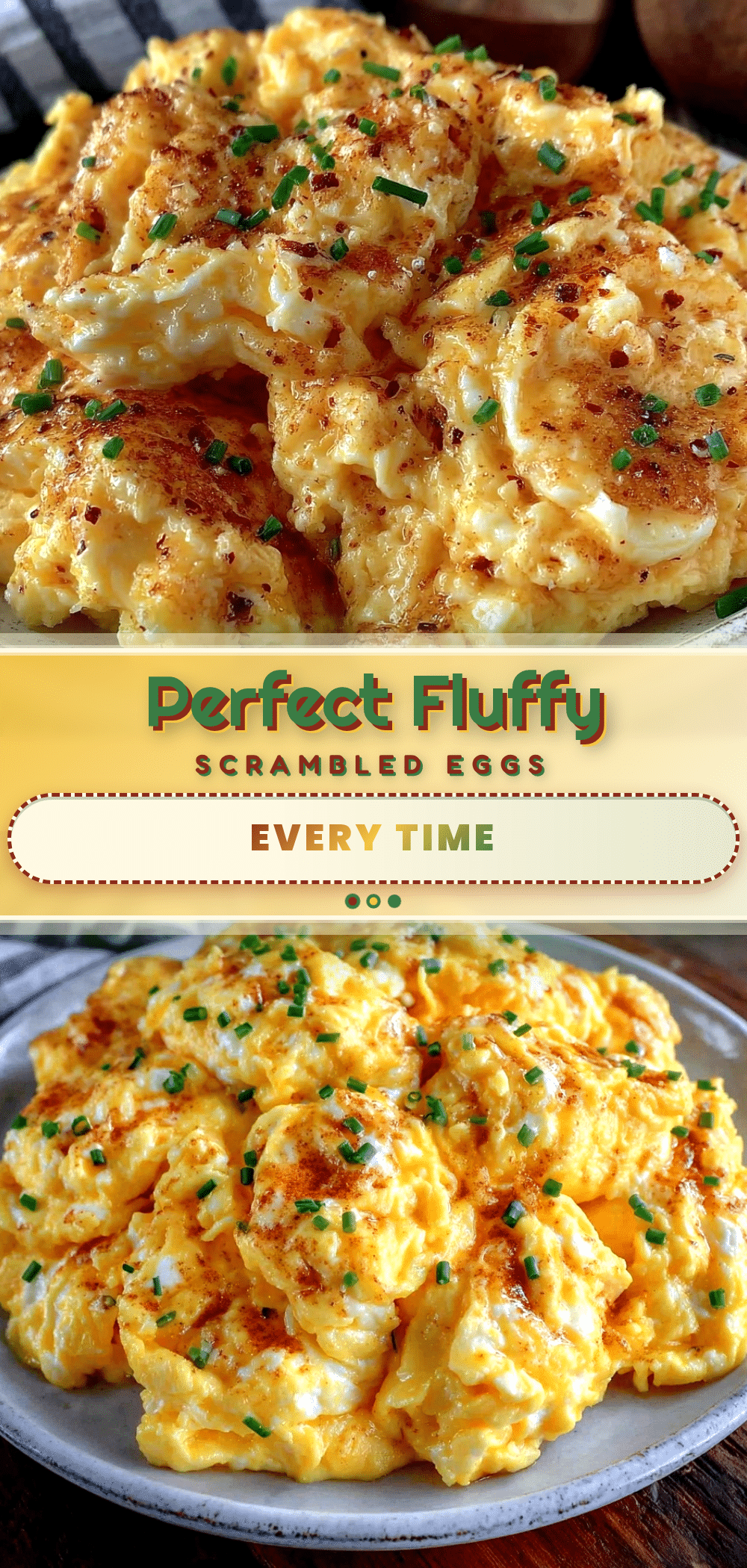
Fluffy Perfect Scrambled Eggs Recipe Easy 3-Step Method for Beginners

This recipe delivers fluffy, tender scrambled eggs using a simple 3-step method perfect for beginners. Cook low and slow with a splash of cream for buttery softness every time.
- Prep Time: 5 minutes
- Cook Time: 5-7 minutes
- Total Time: 10-12 minutes
- Yield: 2 servings 1x
- Category: Breakfast
- Cuisine: American
Ingredients
- 4 large eggs (room temperature)
- 1 tablespoon unsalted butter
- 2 tablespoons heavy cream or whole milk
- Pinch of salt (kosher or sea salt recommended)
- Freshly ground black pepper (optional)
Instructions
- Crack 4 large eggs into a medium mixing bowl. Add 2 tablespoons of heavy cream (or milk if preferred) and a pinch of salt. Whisk vigorously for about 30 seconds until the mixture is uniform and slightly frothy.
- Place a nonstick skillet over low heat. Add 1 tablespoon of unsalted butter and let it melt gently. The pan should be warm, not hot, and the butter should foam but not brown.
- Pour the whisked eggs into the skillet. Using a silicone spatula, stir gently but continuously, scraping the bottom and sides of the pan. Cook slowly over low heat for about 4-5 minutes until eggs are mostly set but still slightly runny. Remove from heat and season with freshly ground black pepper if desired. Serve immediately.
Notes
Use low heat and constant gentle stirring to avoid rubbery or watery eggs. Remove eggs from heat while slightly runny to finish cooking off the stove. For dairy-free, substitute butter with olive oil or plant-based spread and cream with unsweetened almond or oat milk. Season with salt at the end for best texture.
Nutrition
- Serving Size: Approximately 2 eggs
- Calories: 220
- Sodium: 150
- Fat: 18
- Saturated Fat: 10
- Carbohydrates: 1
- Protein: 14
Keywords: scrambled eggs, fluffy eggs, easy breakfast, beginner recipe, creamy scrambled eggs, low and slow cooking